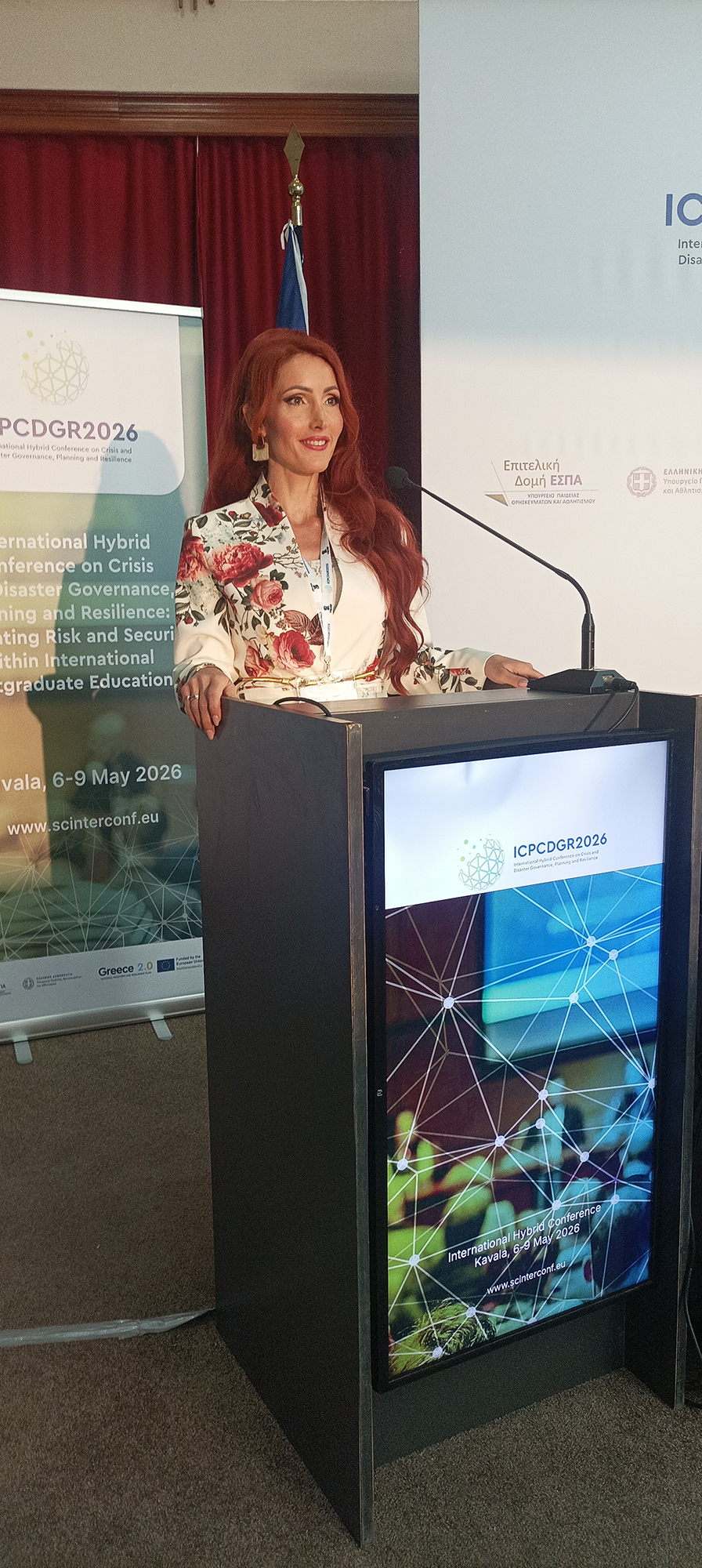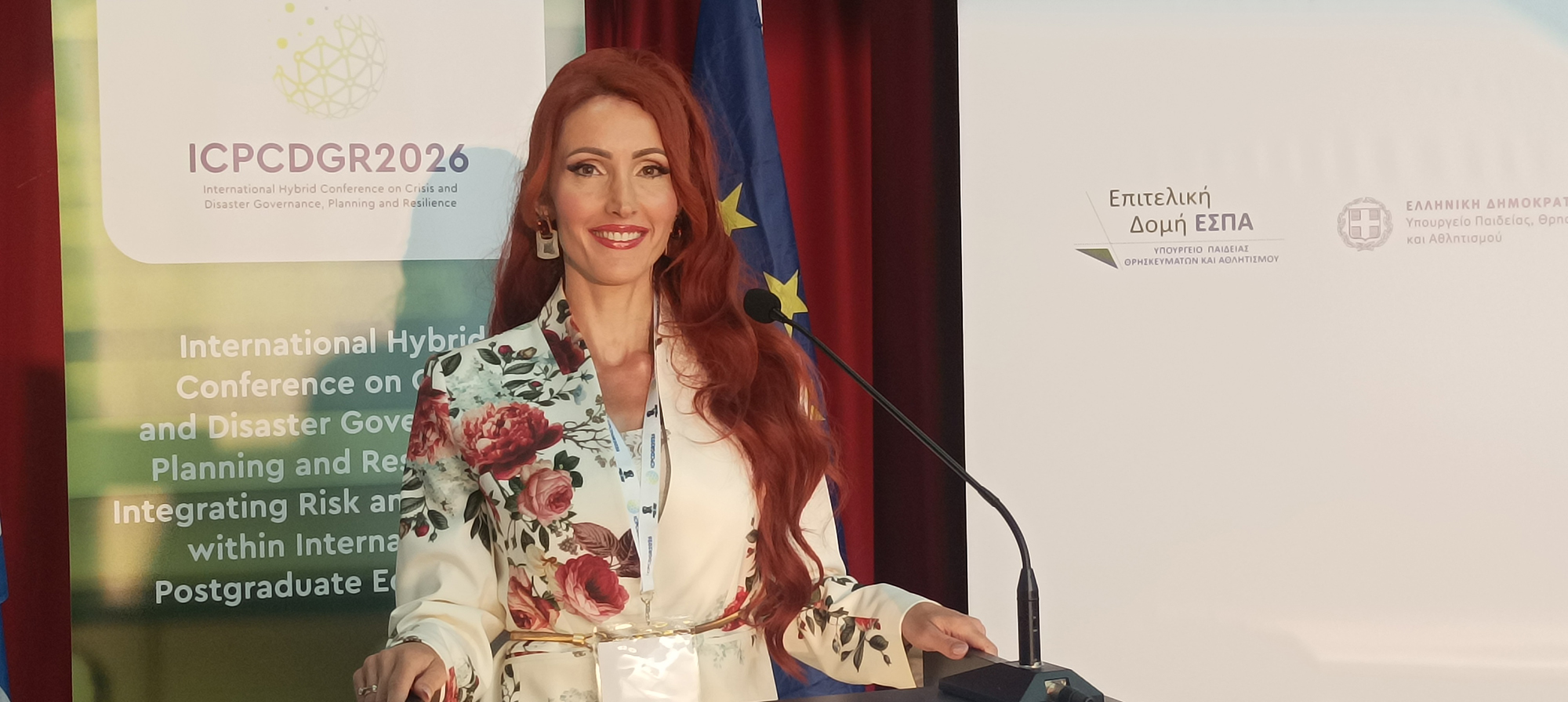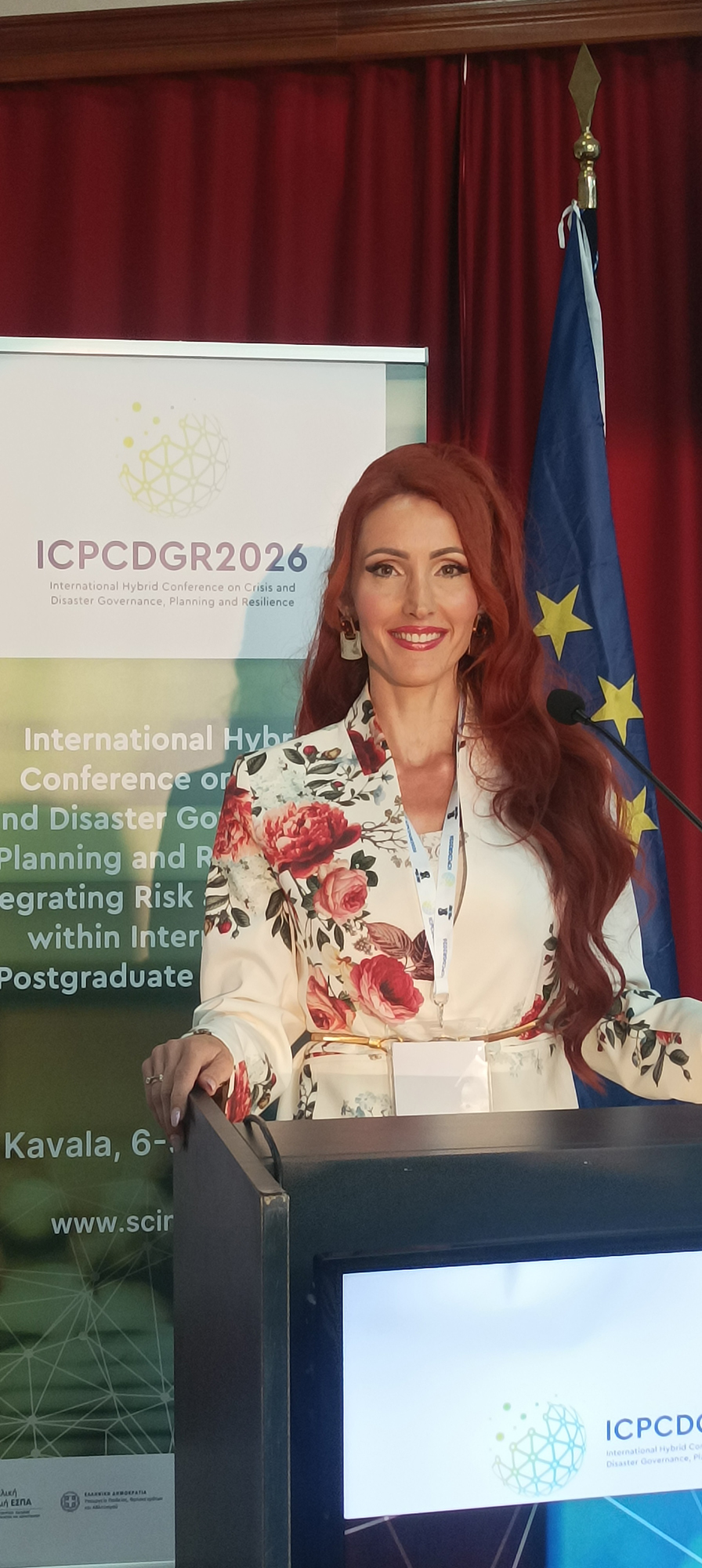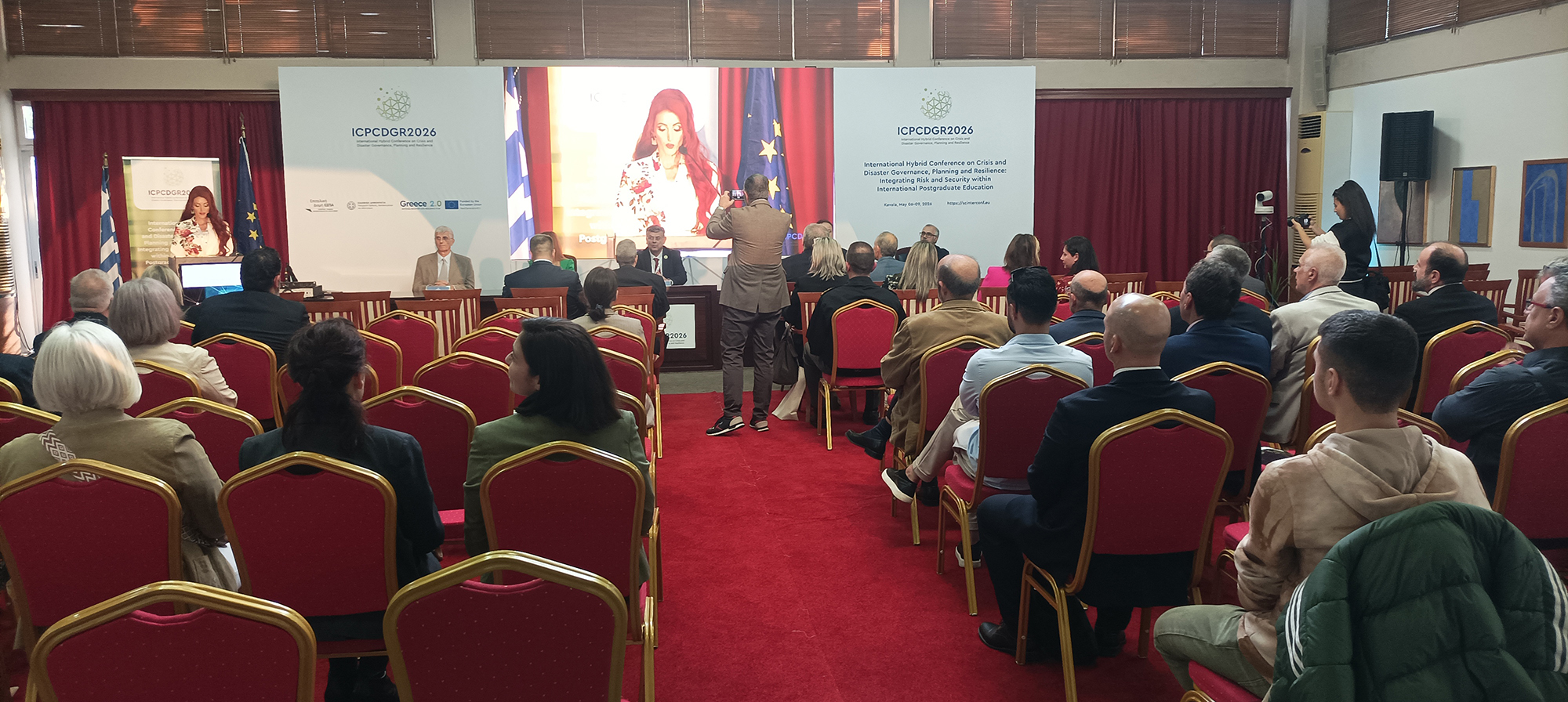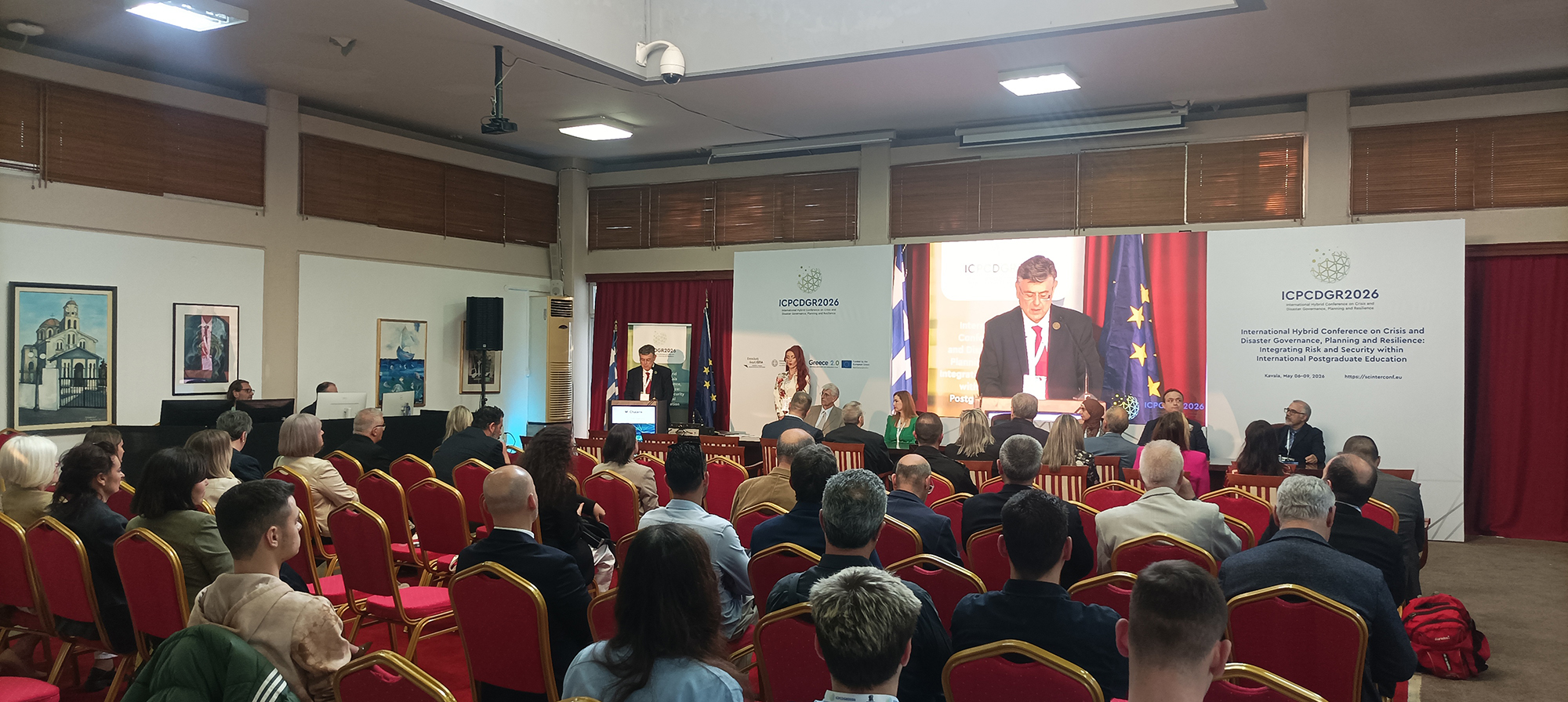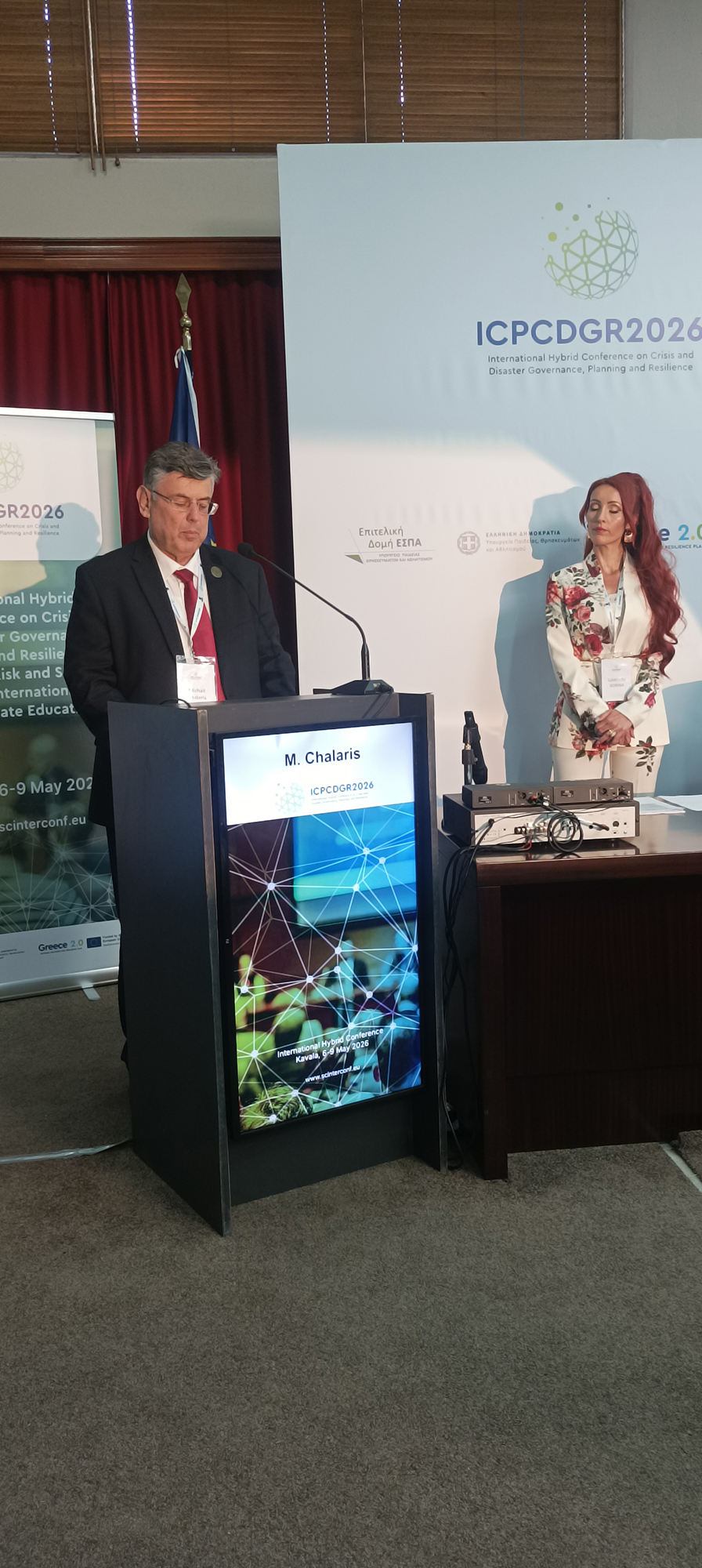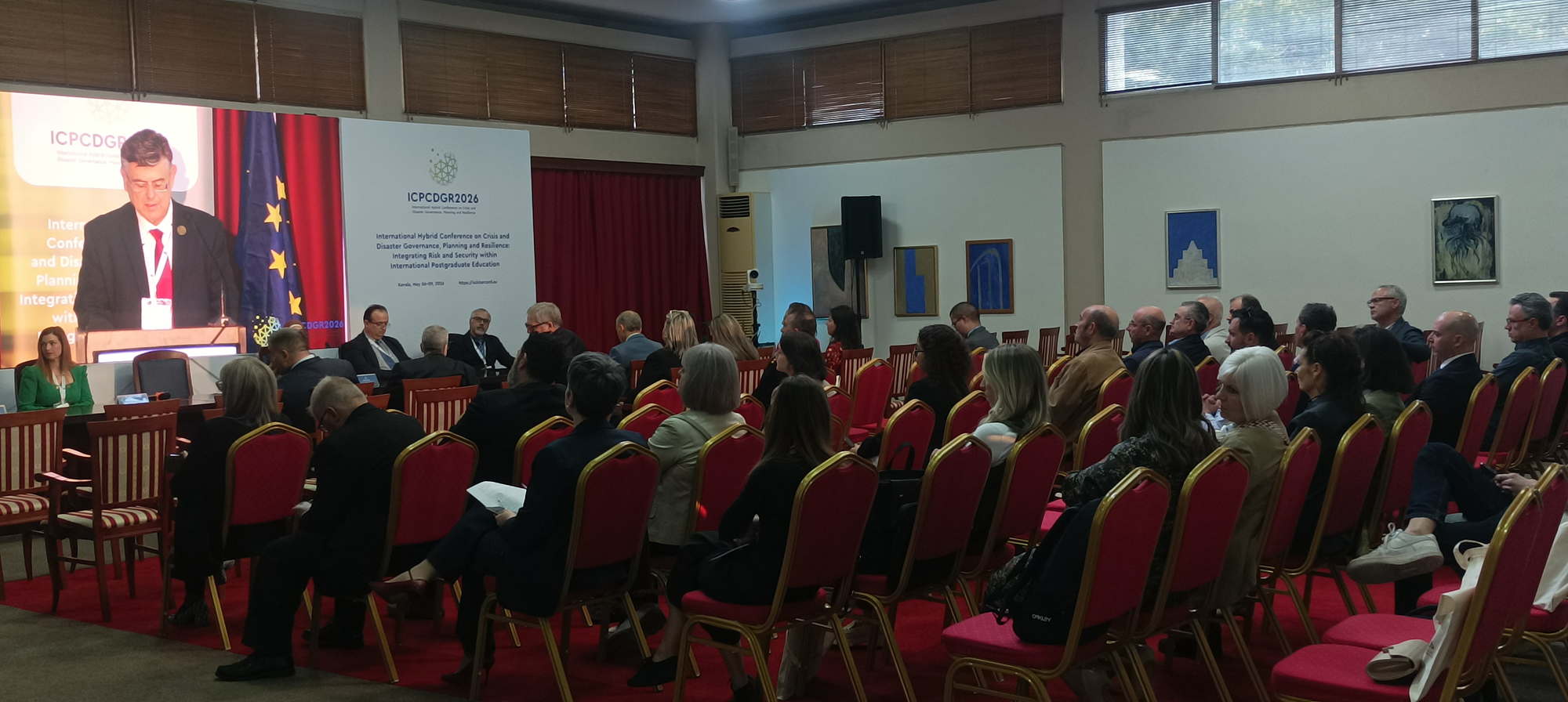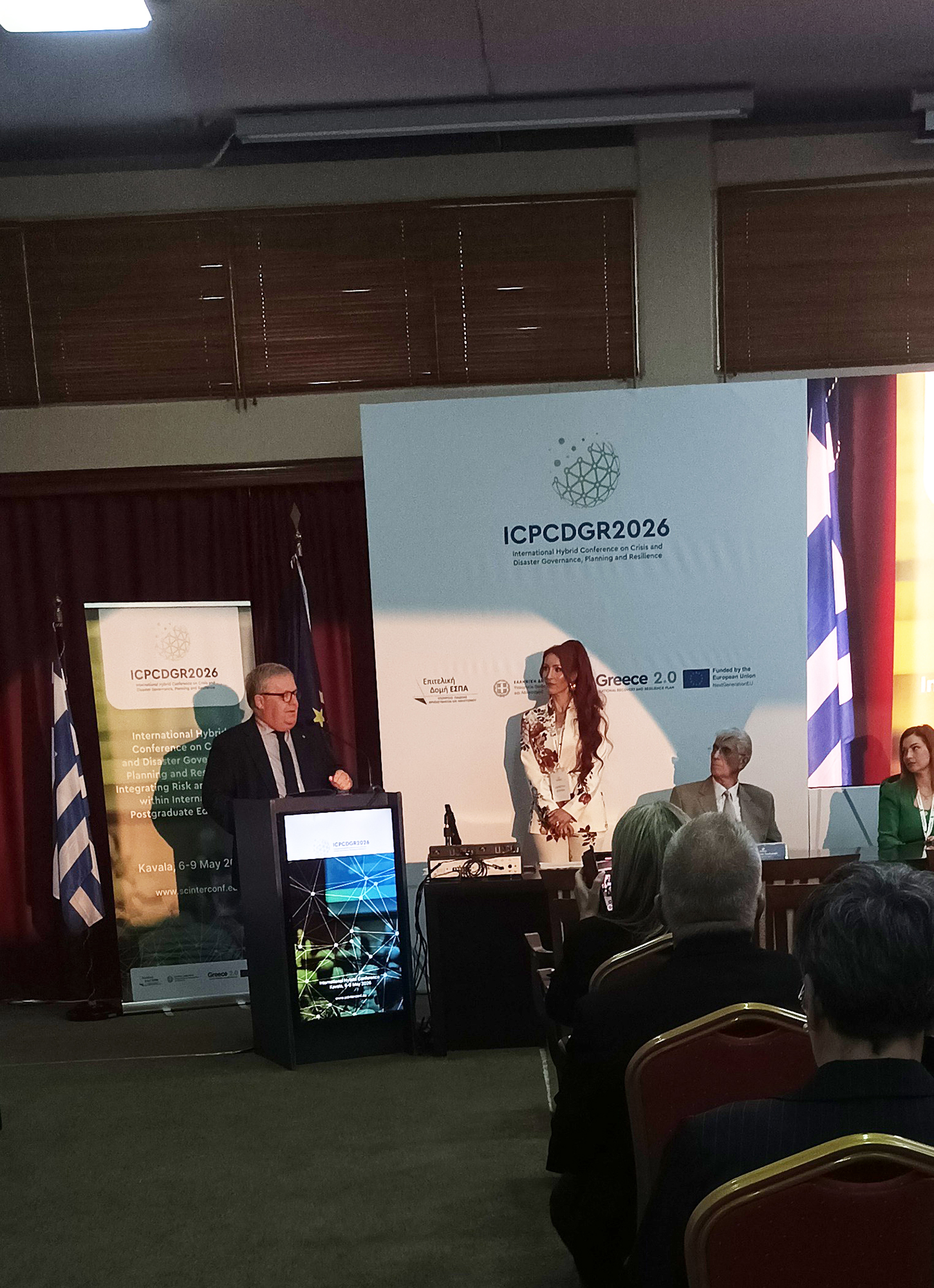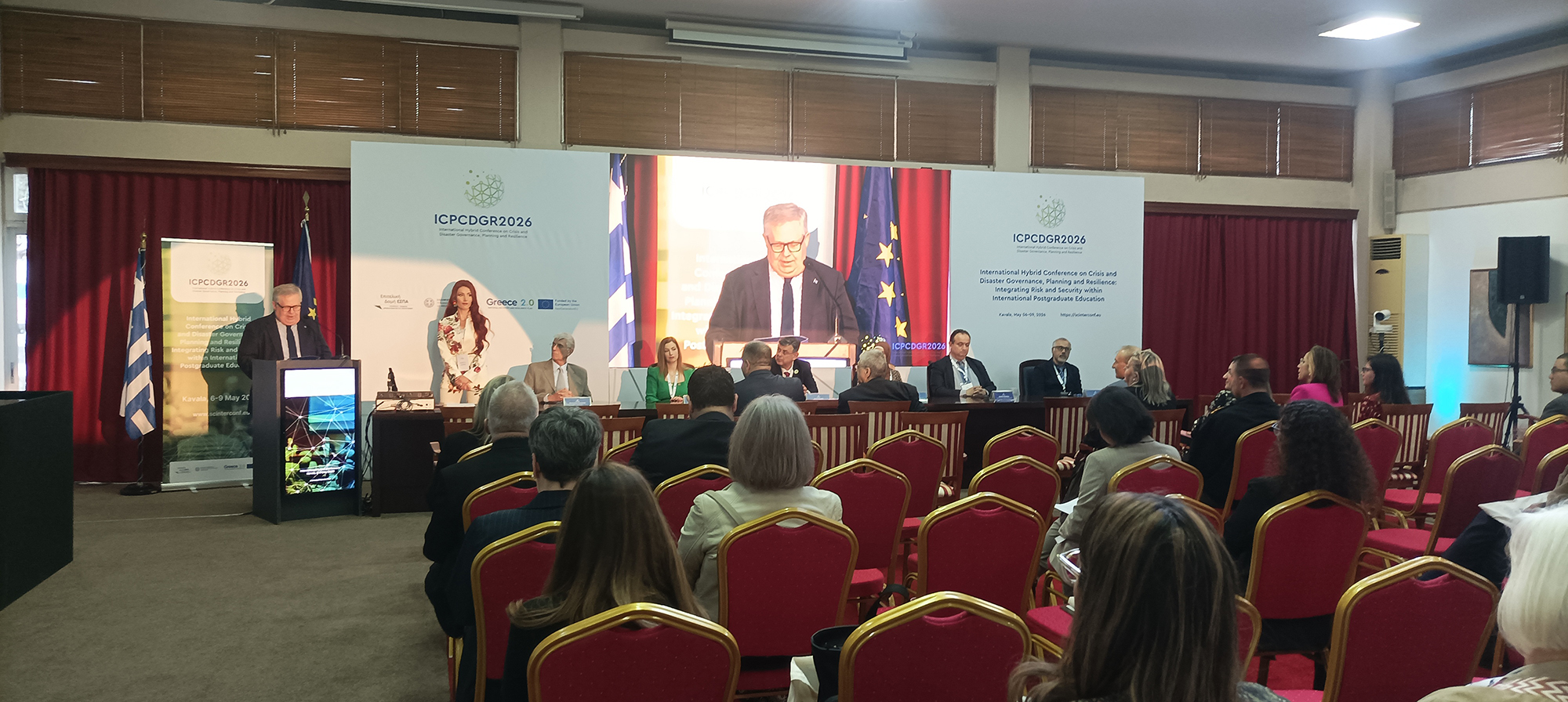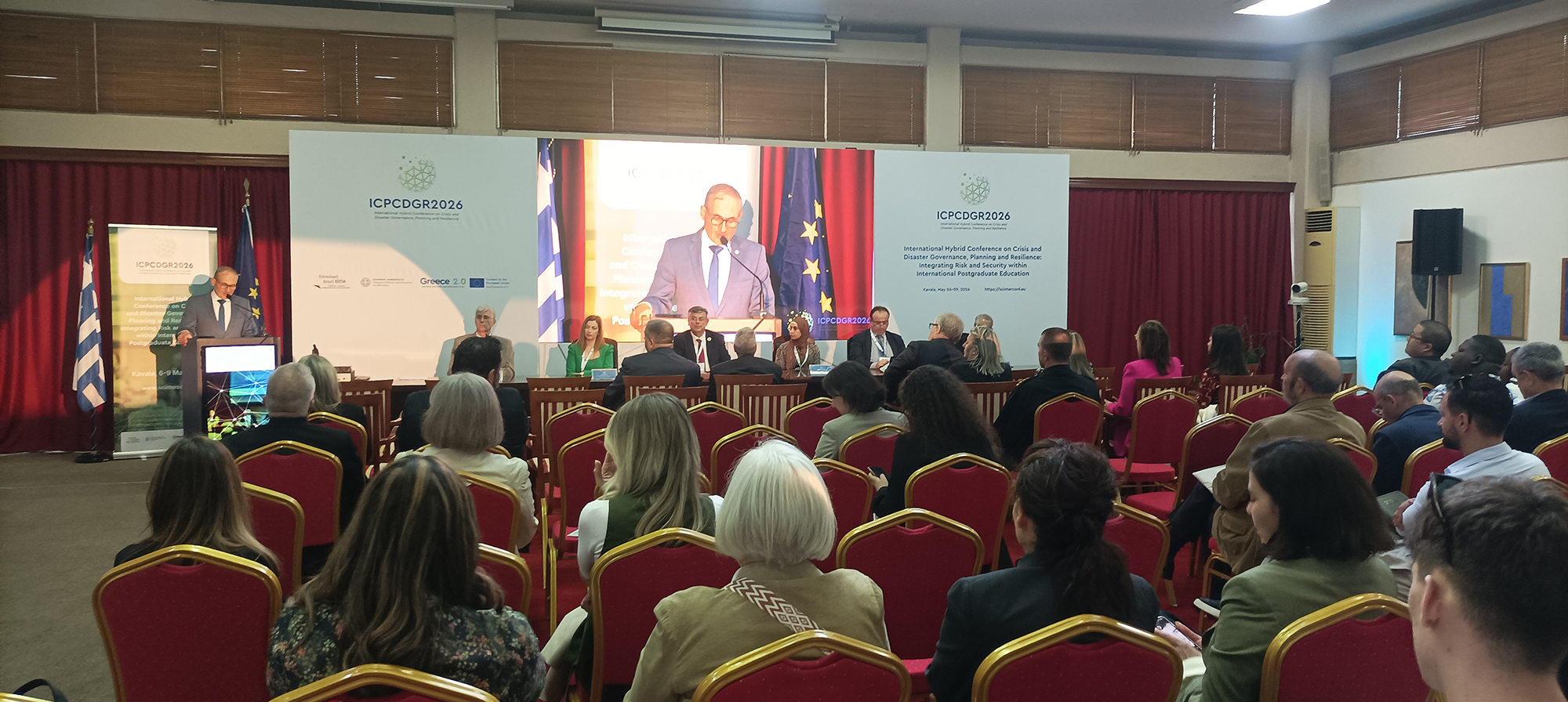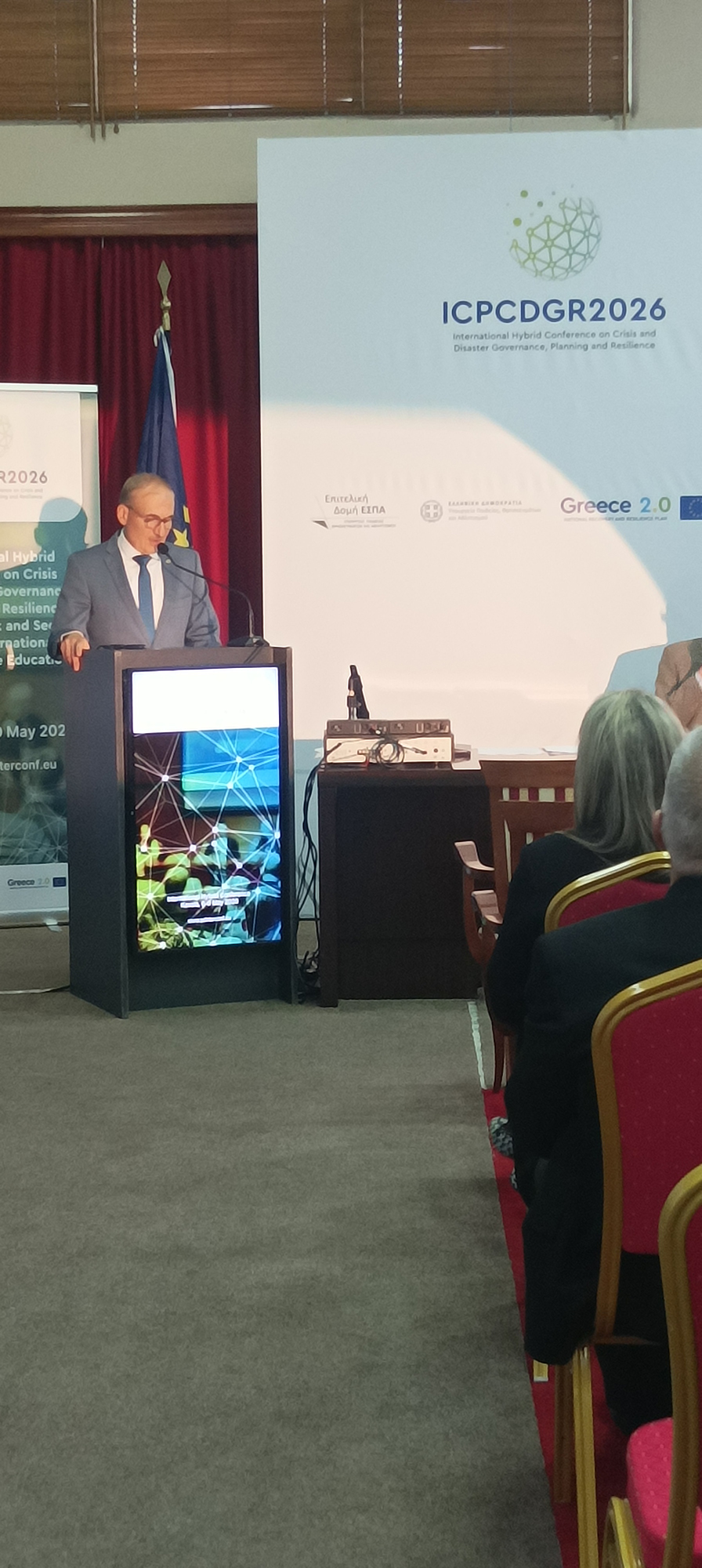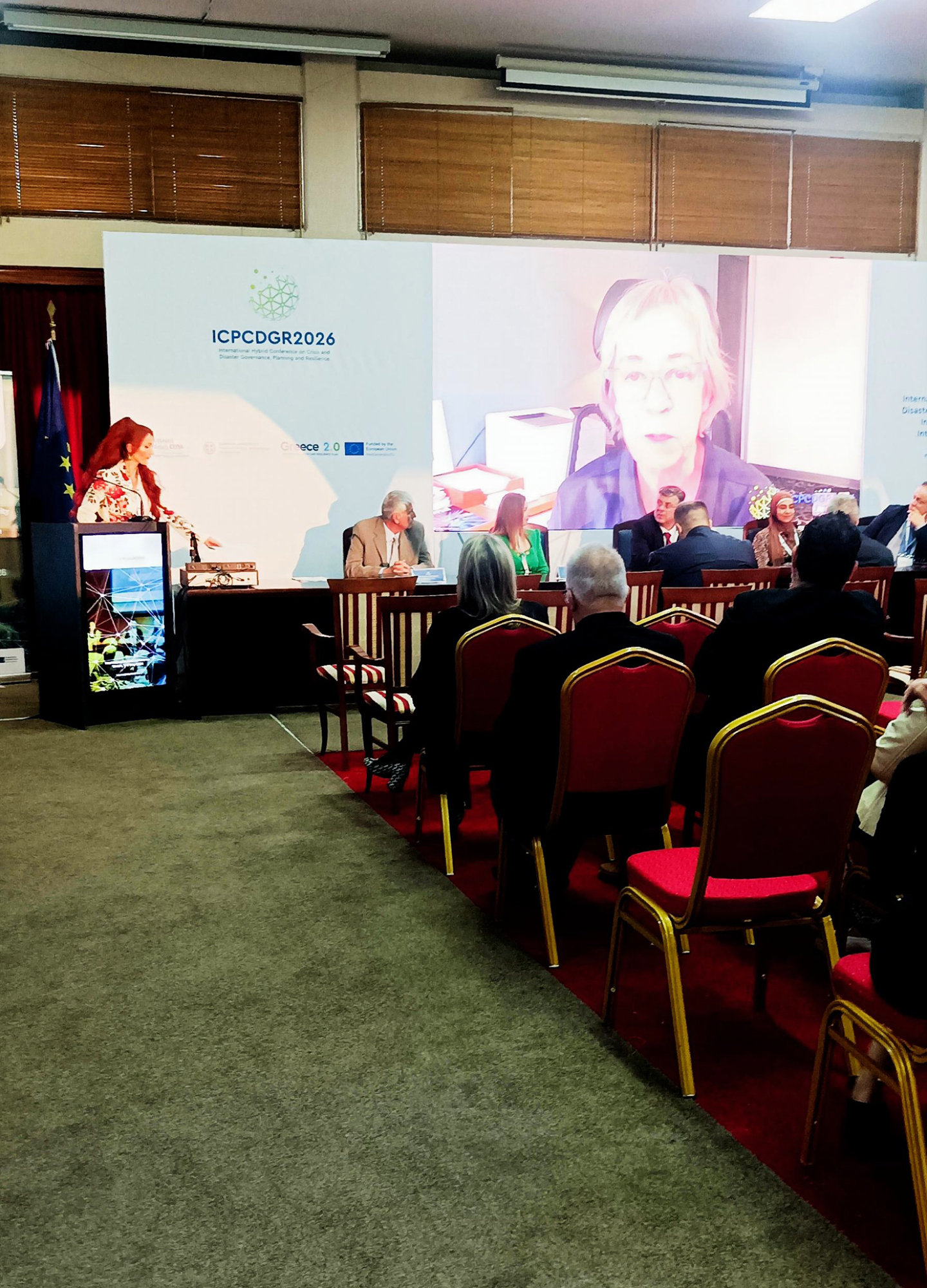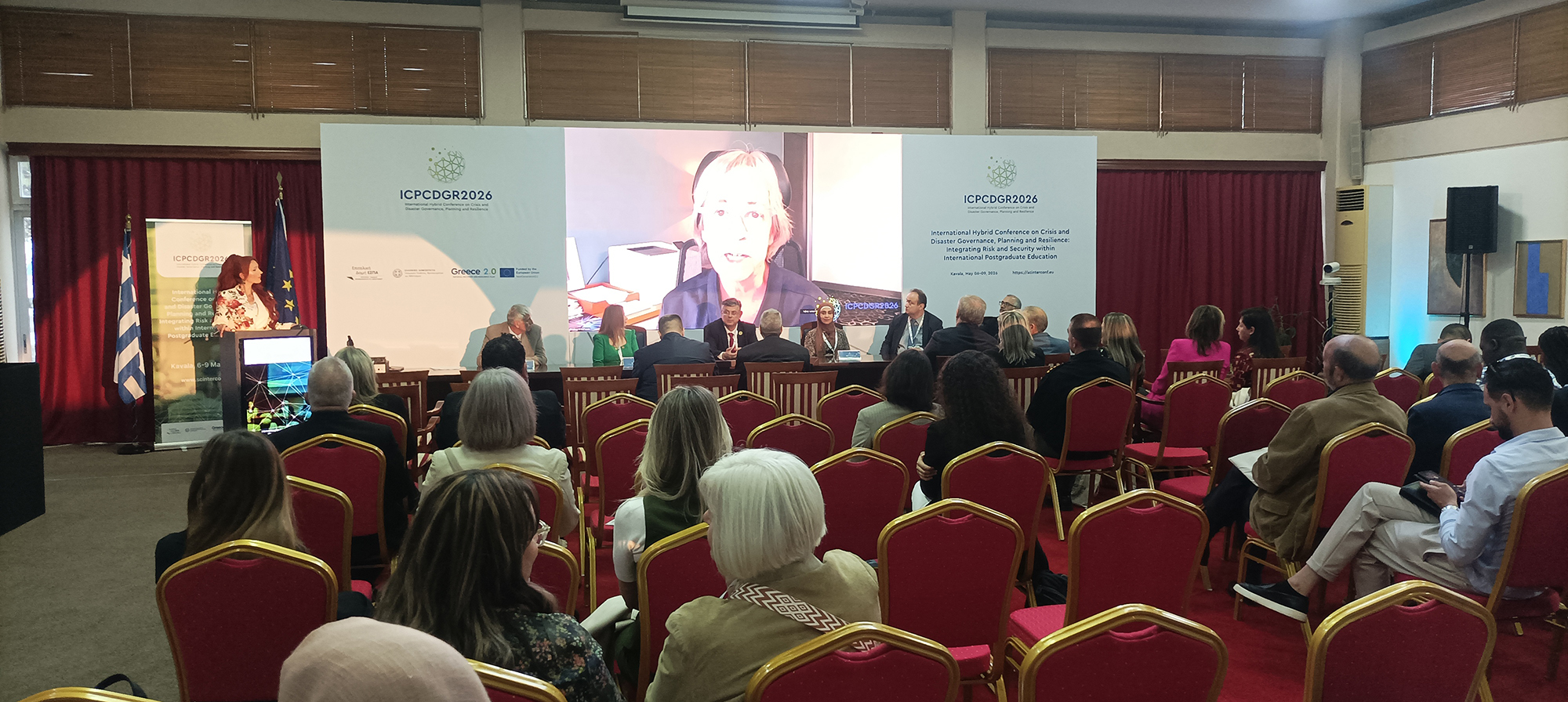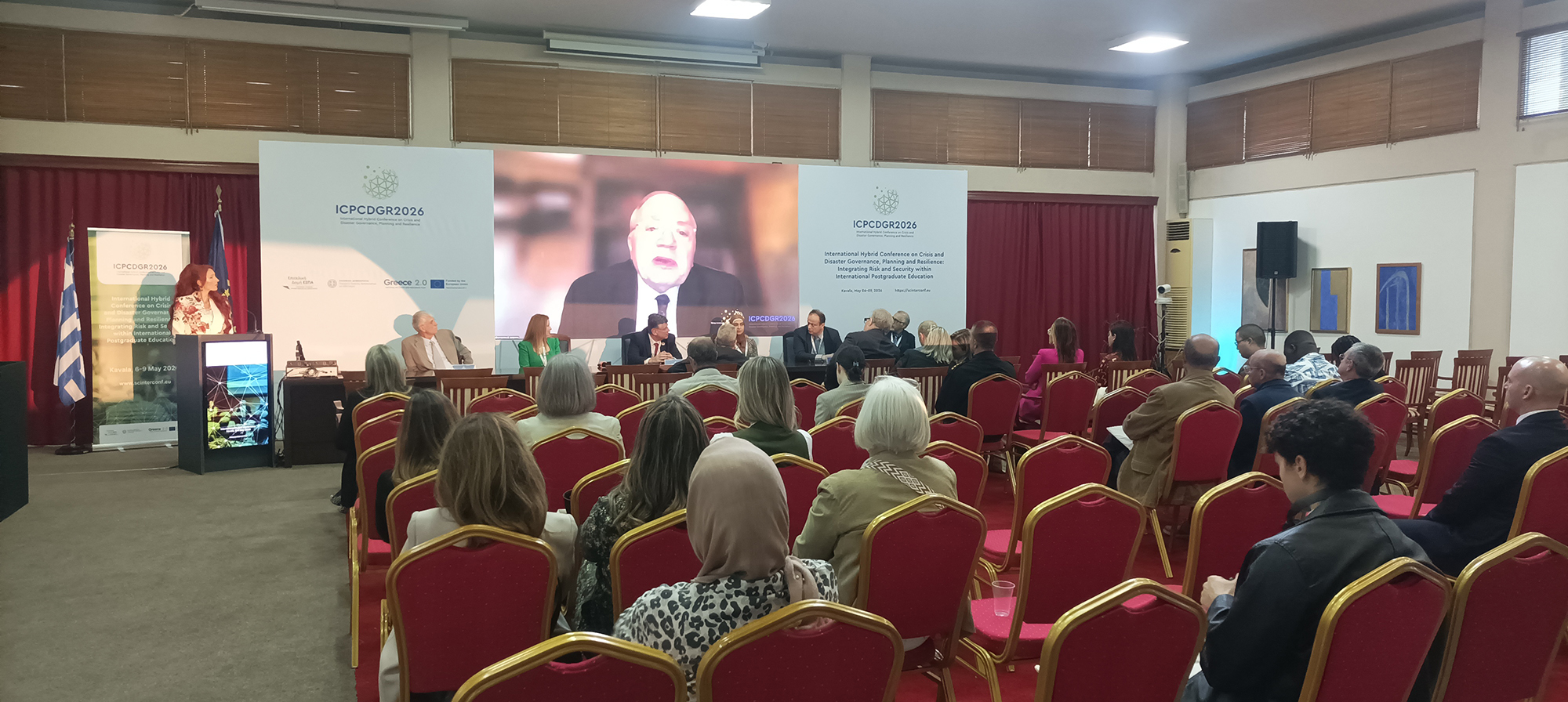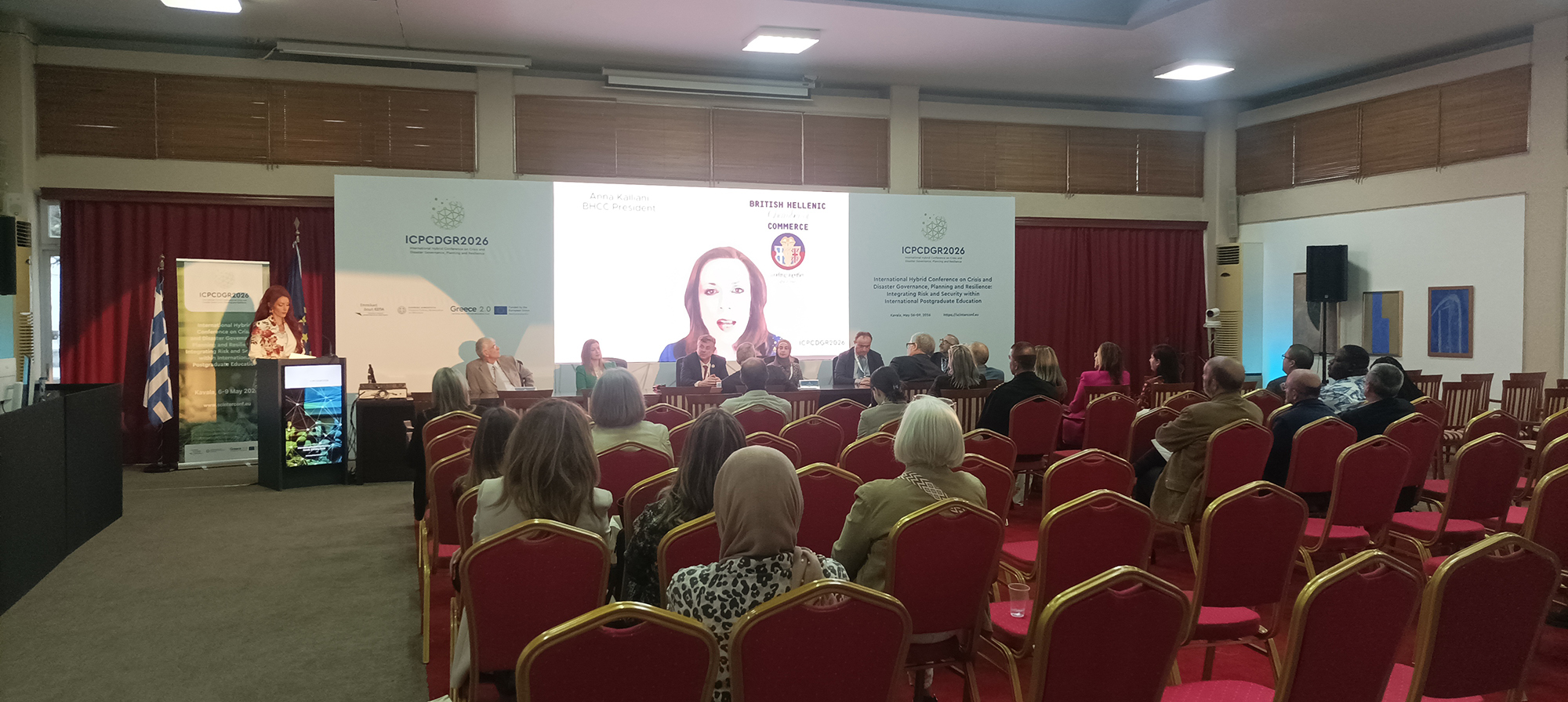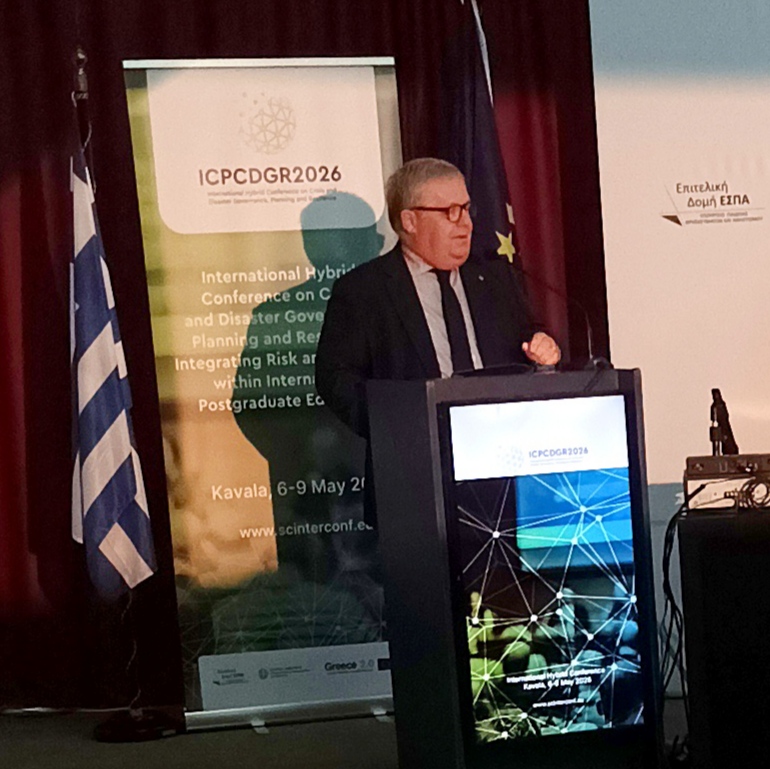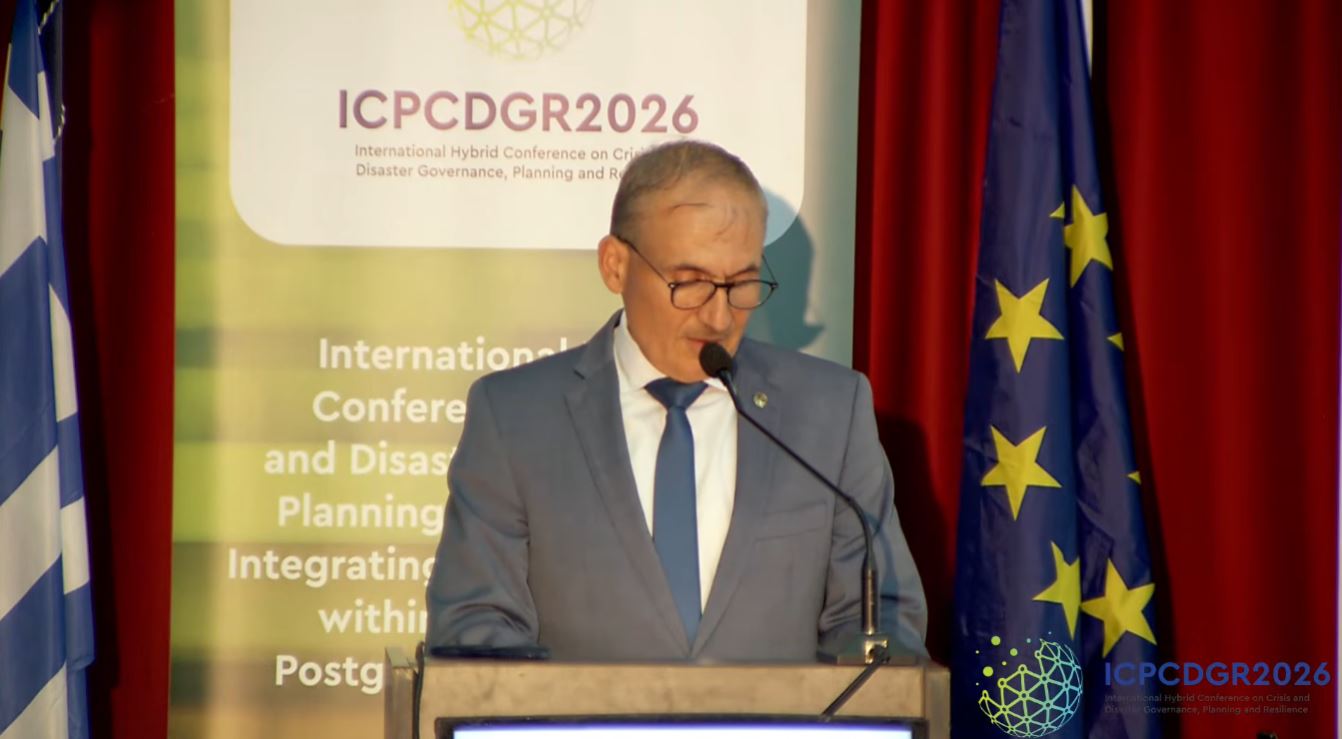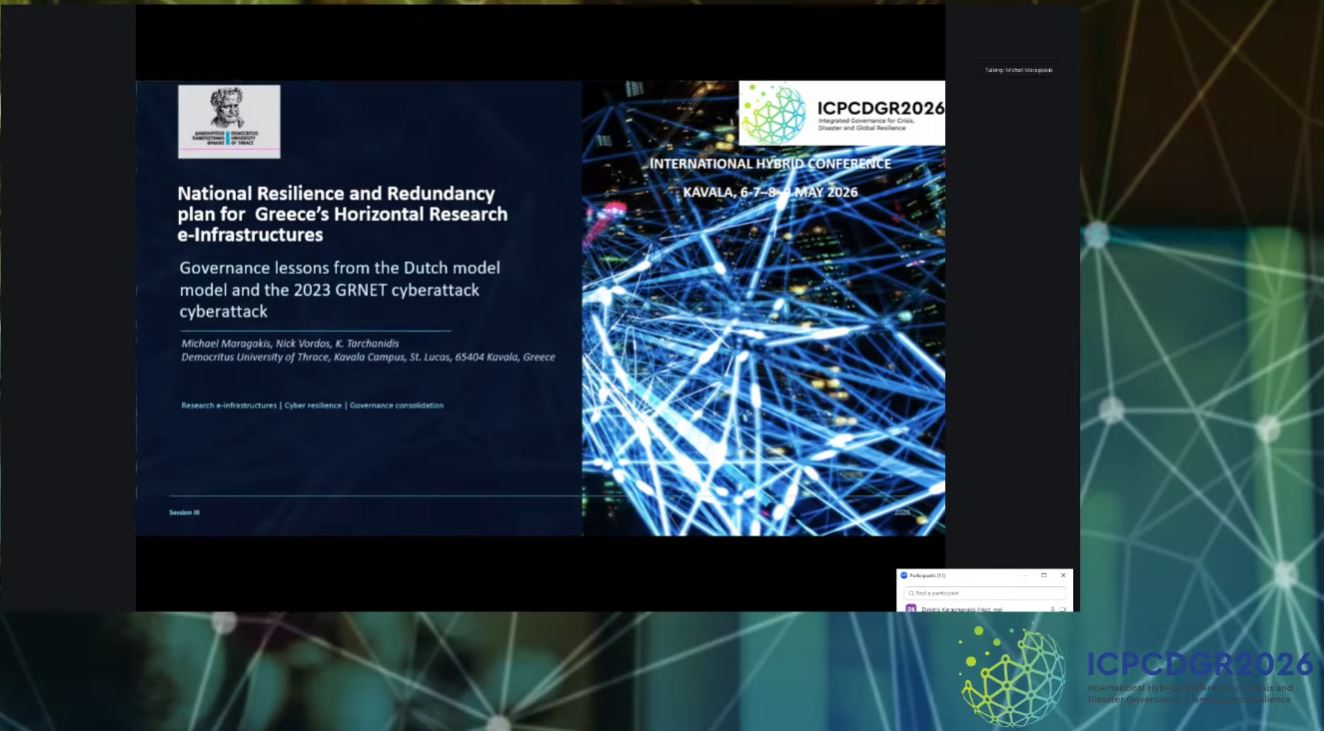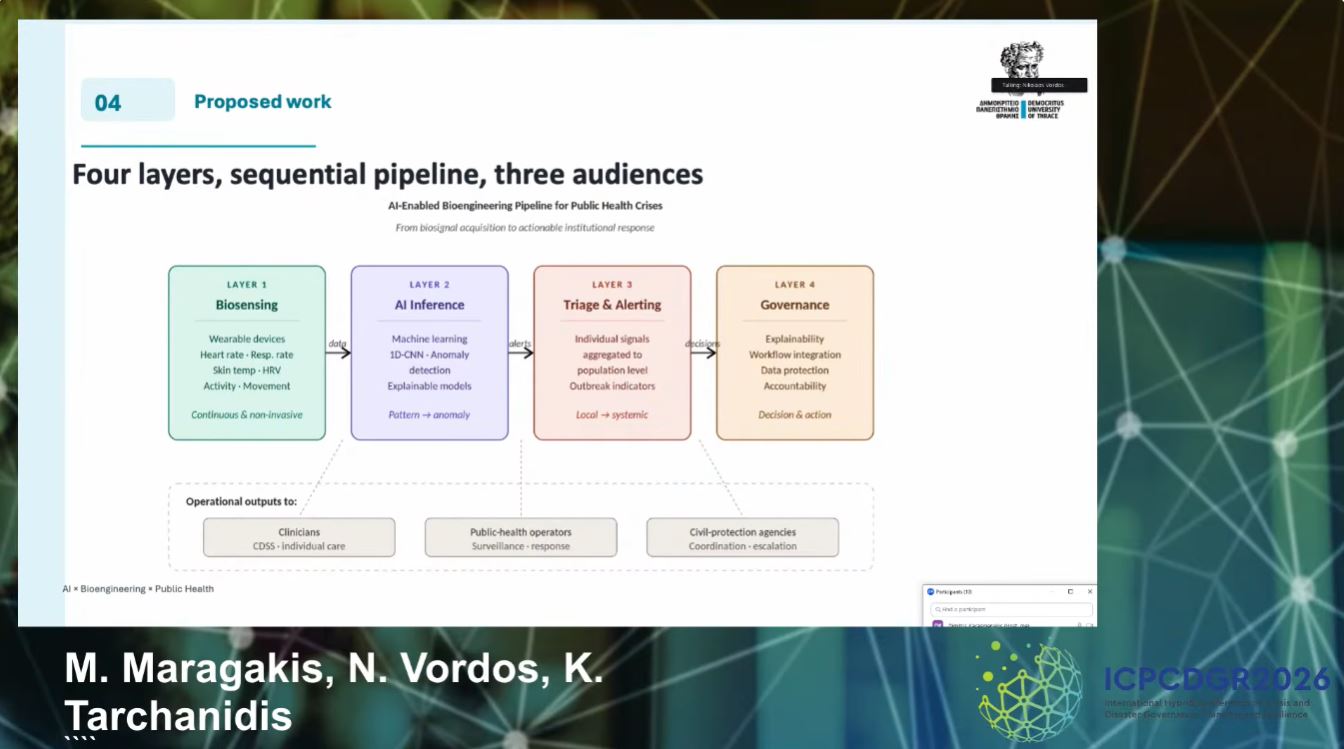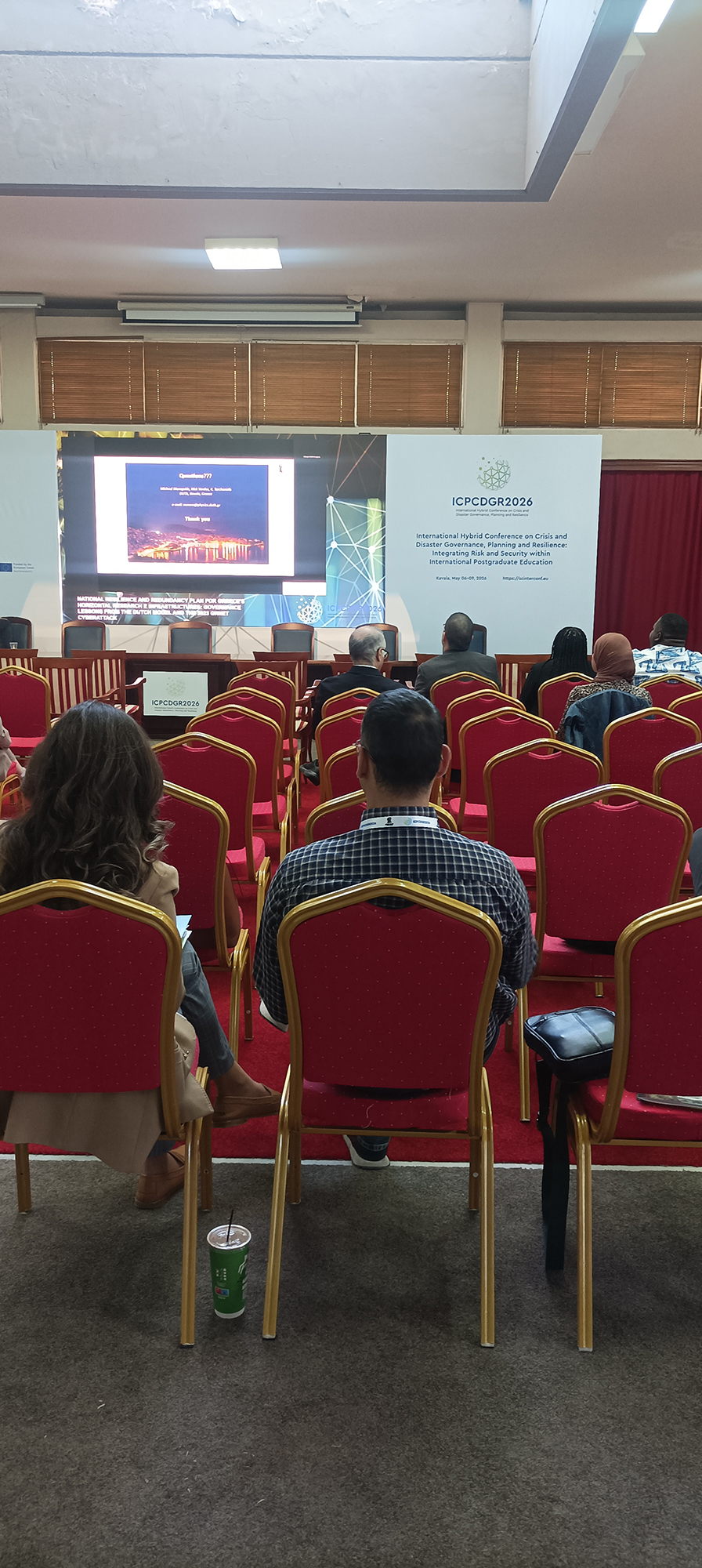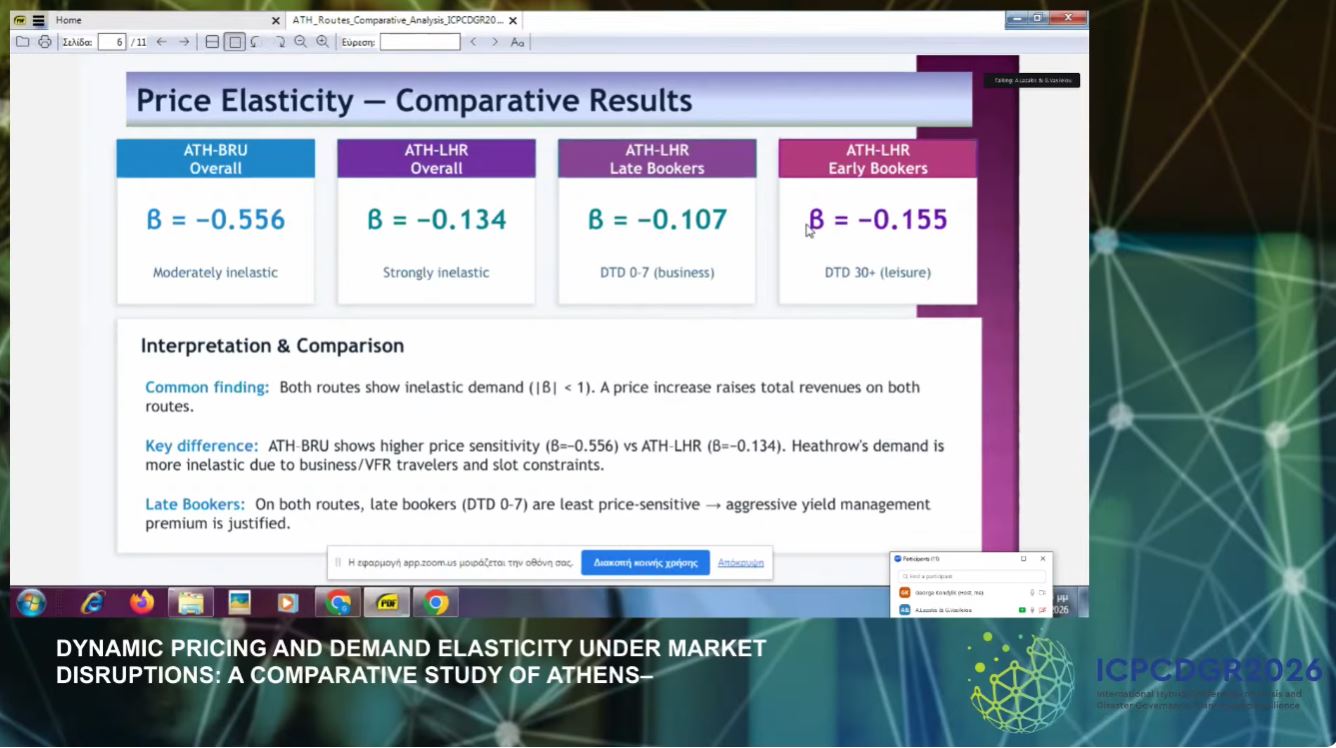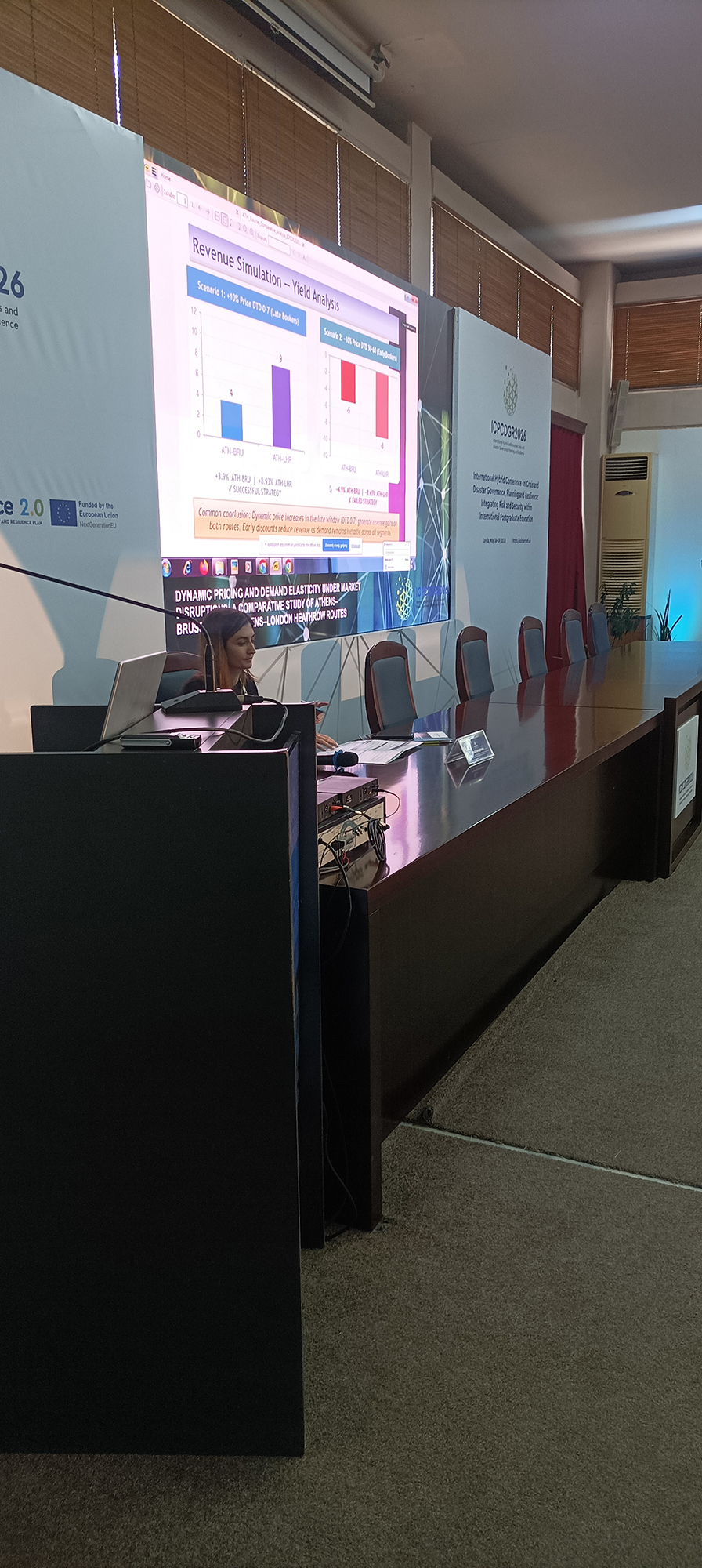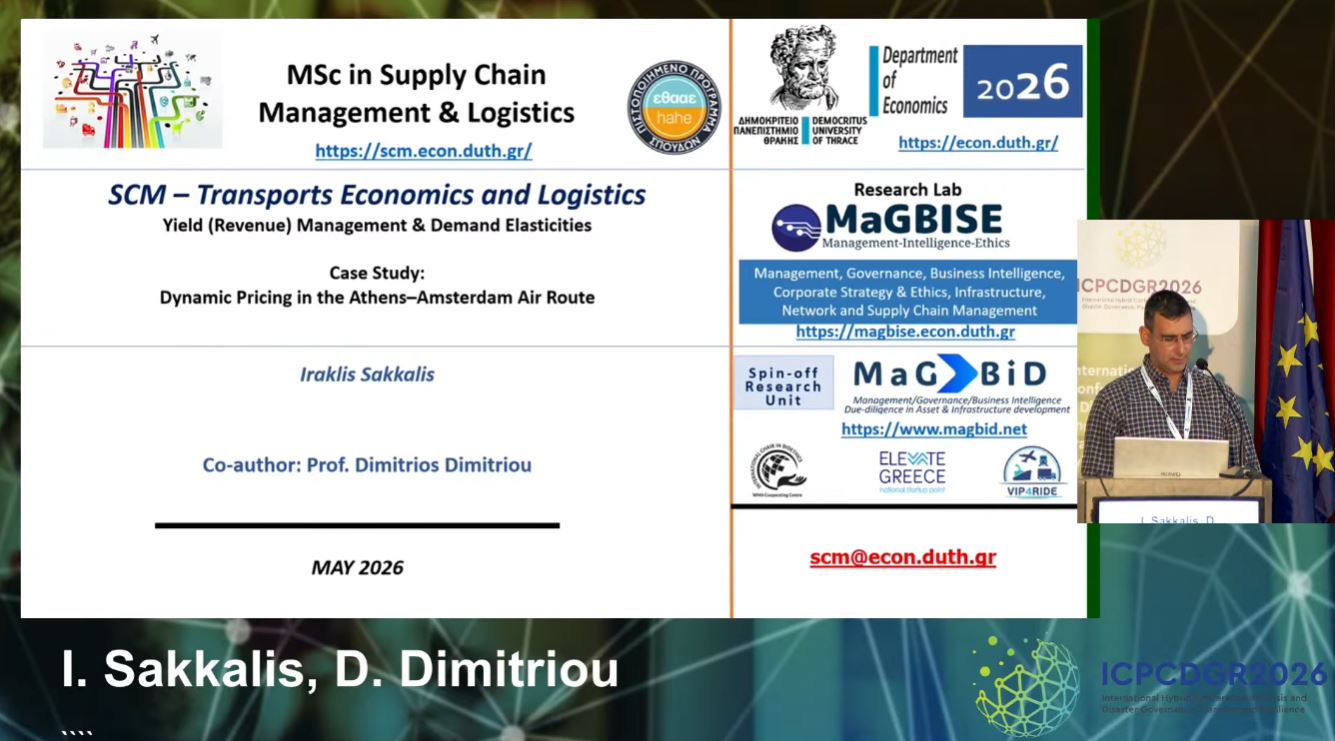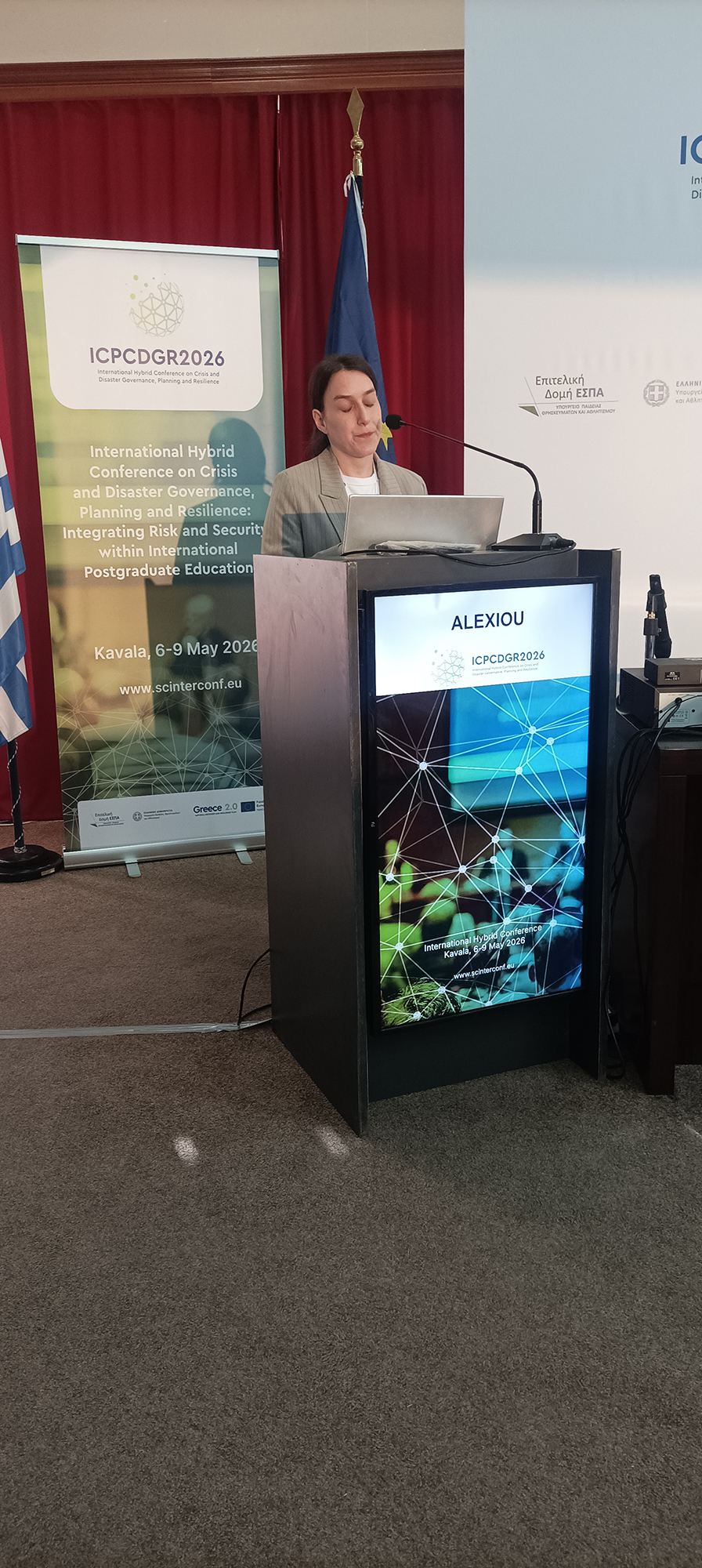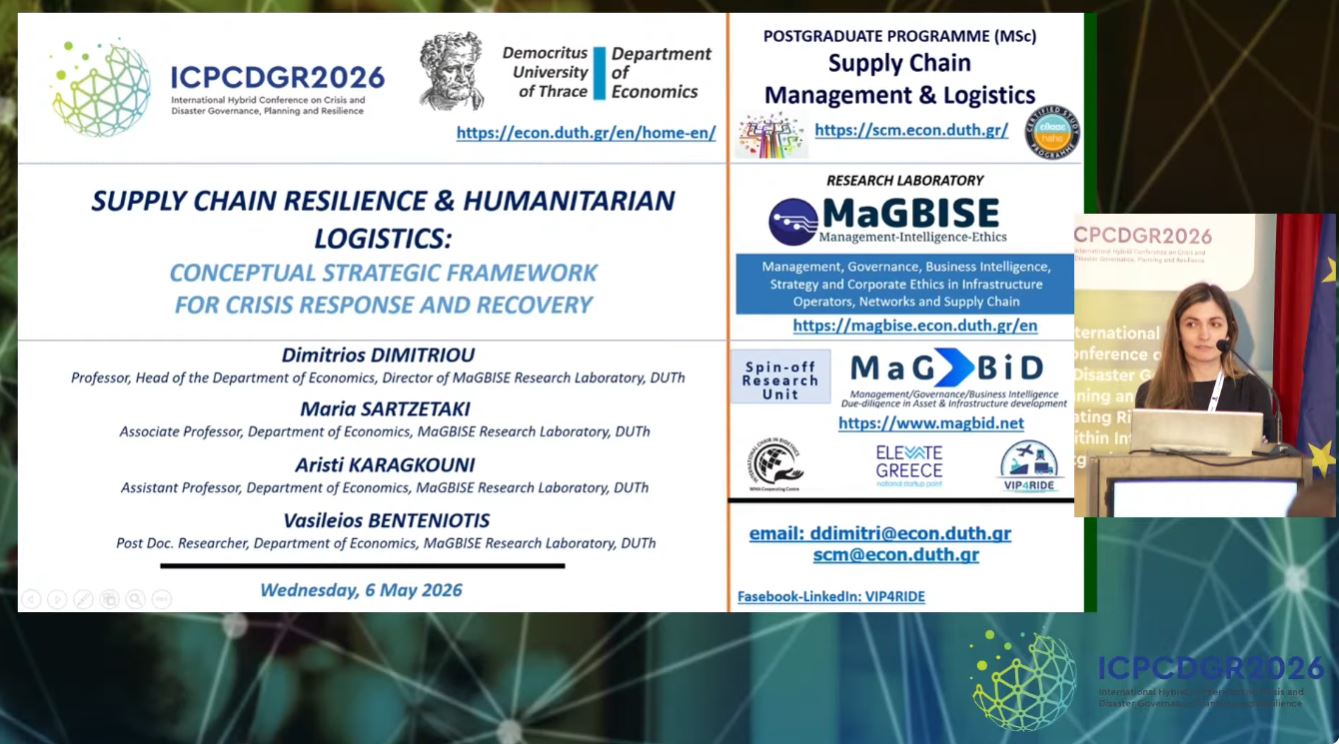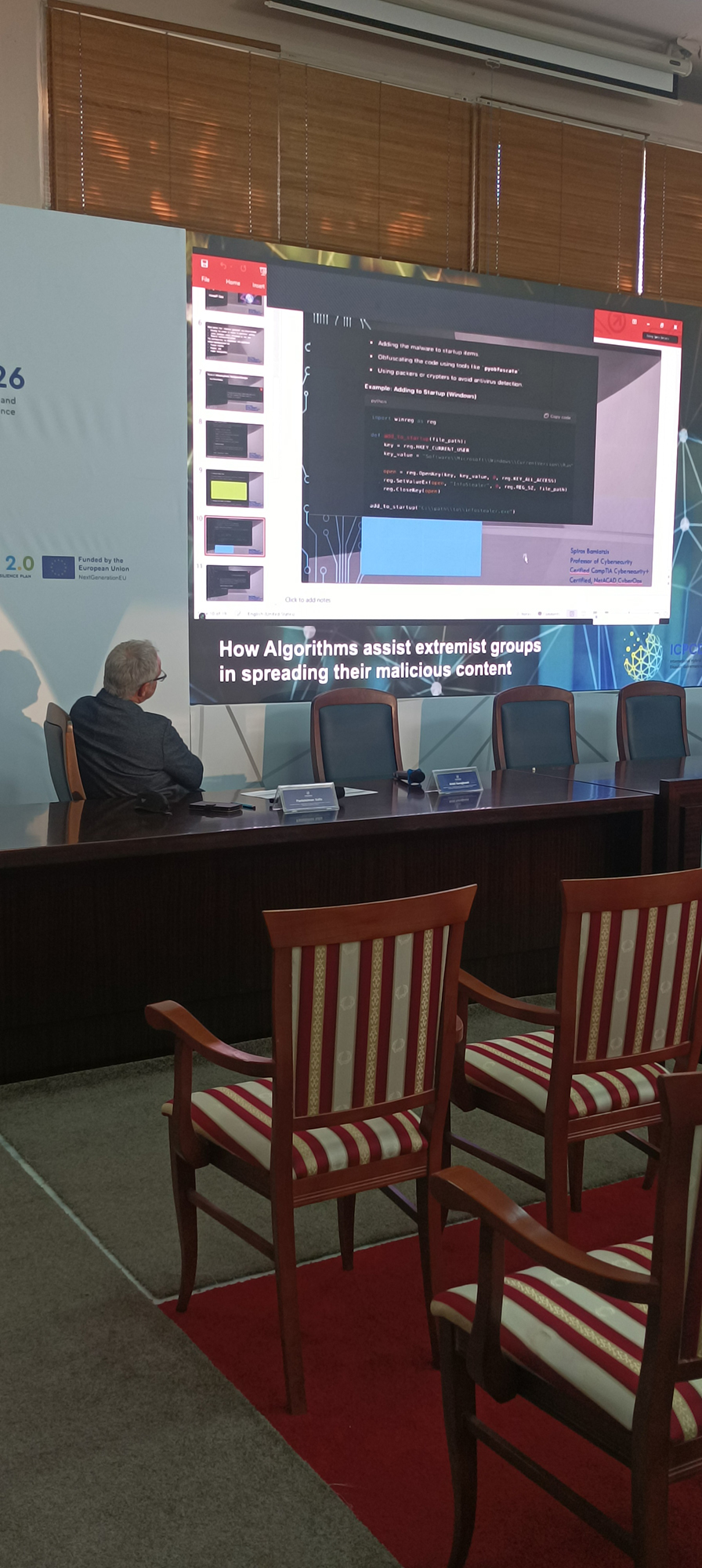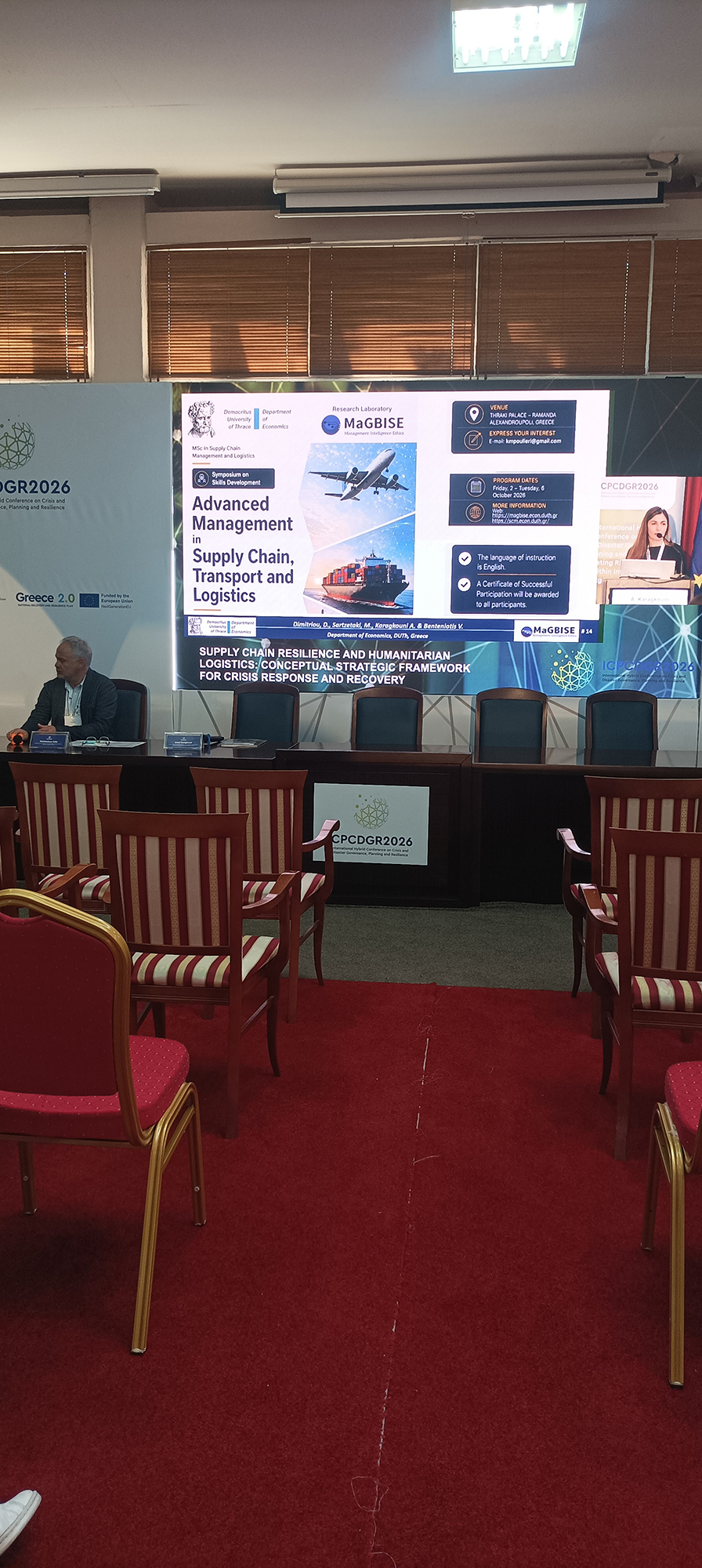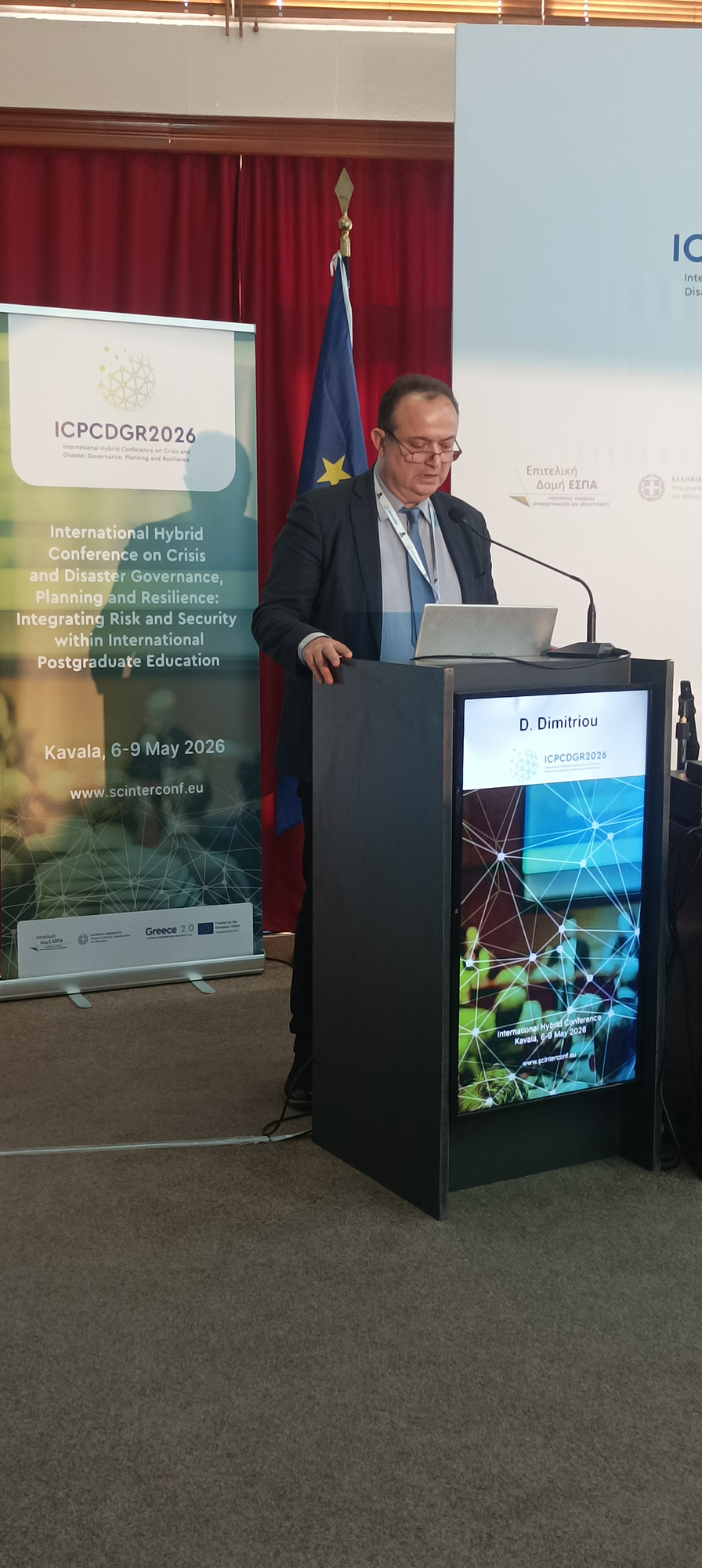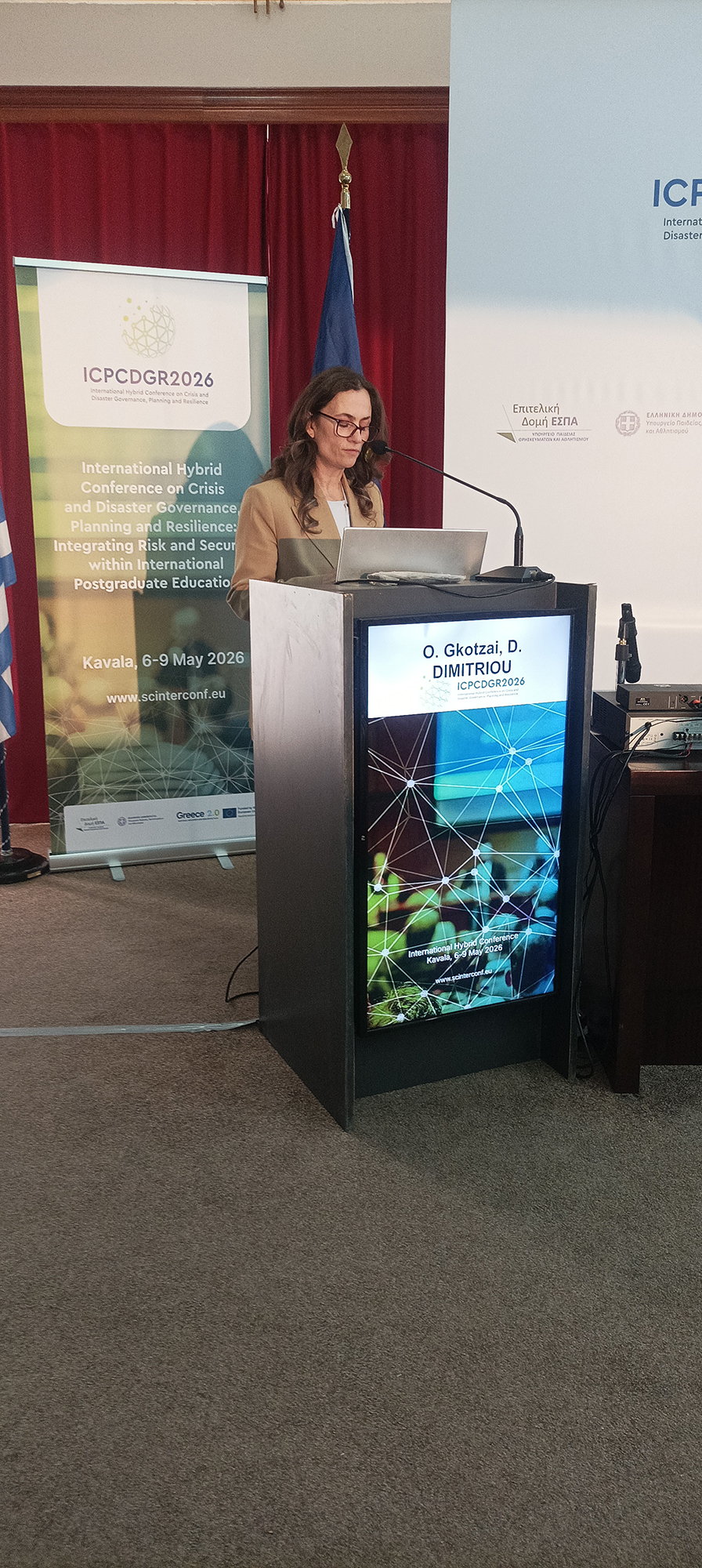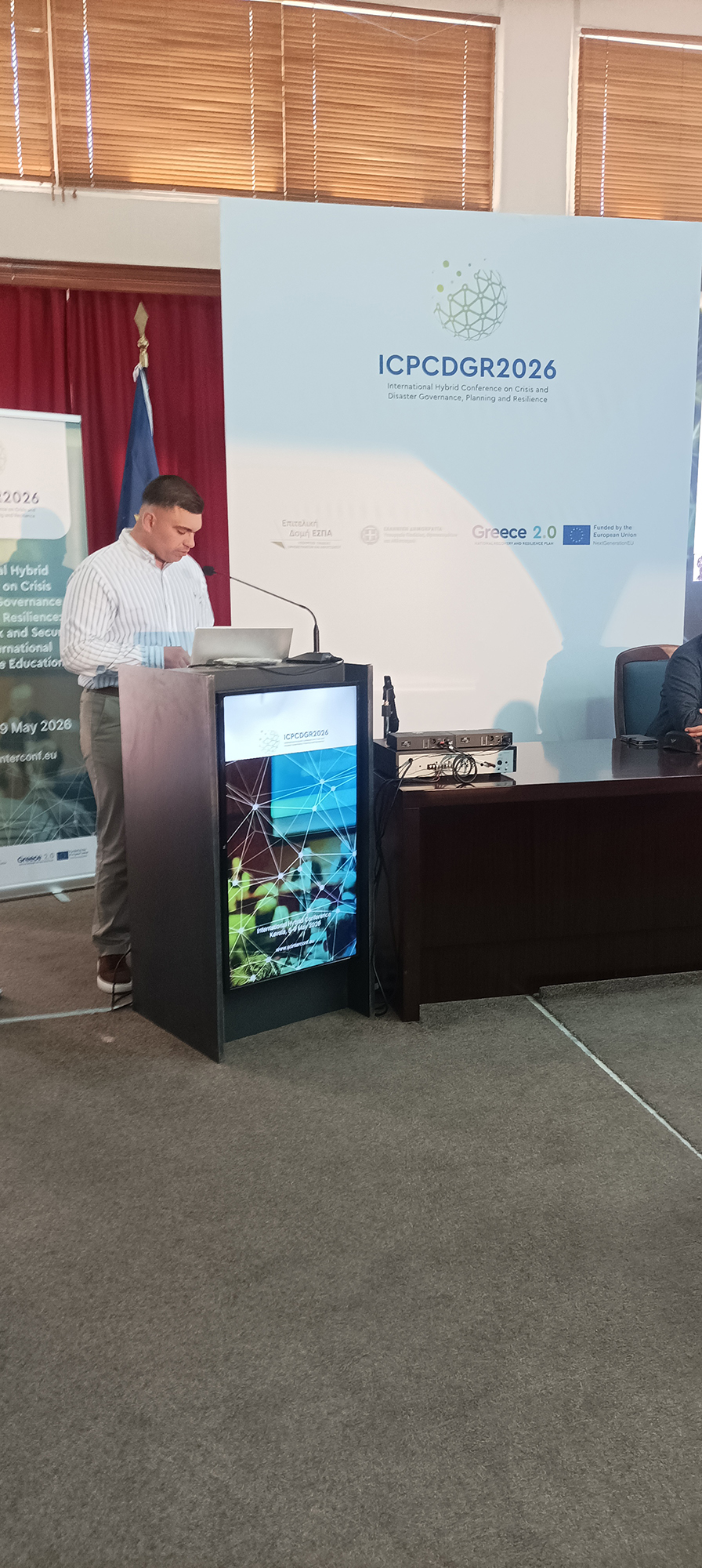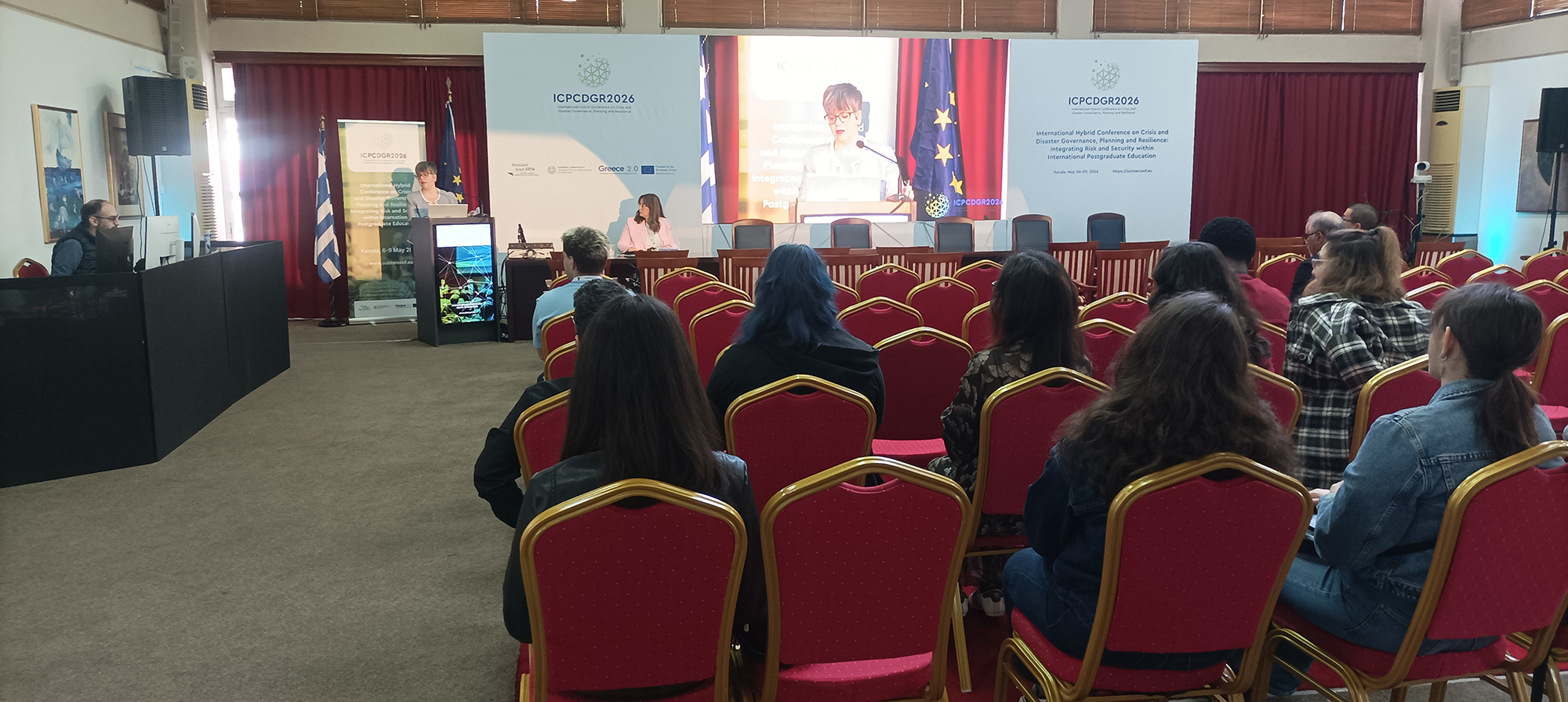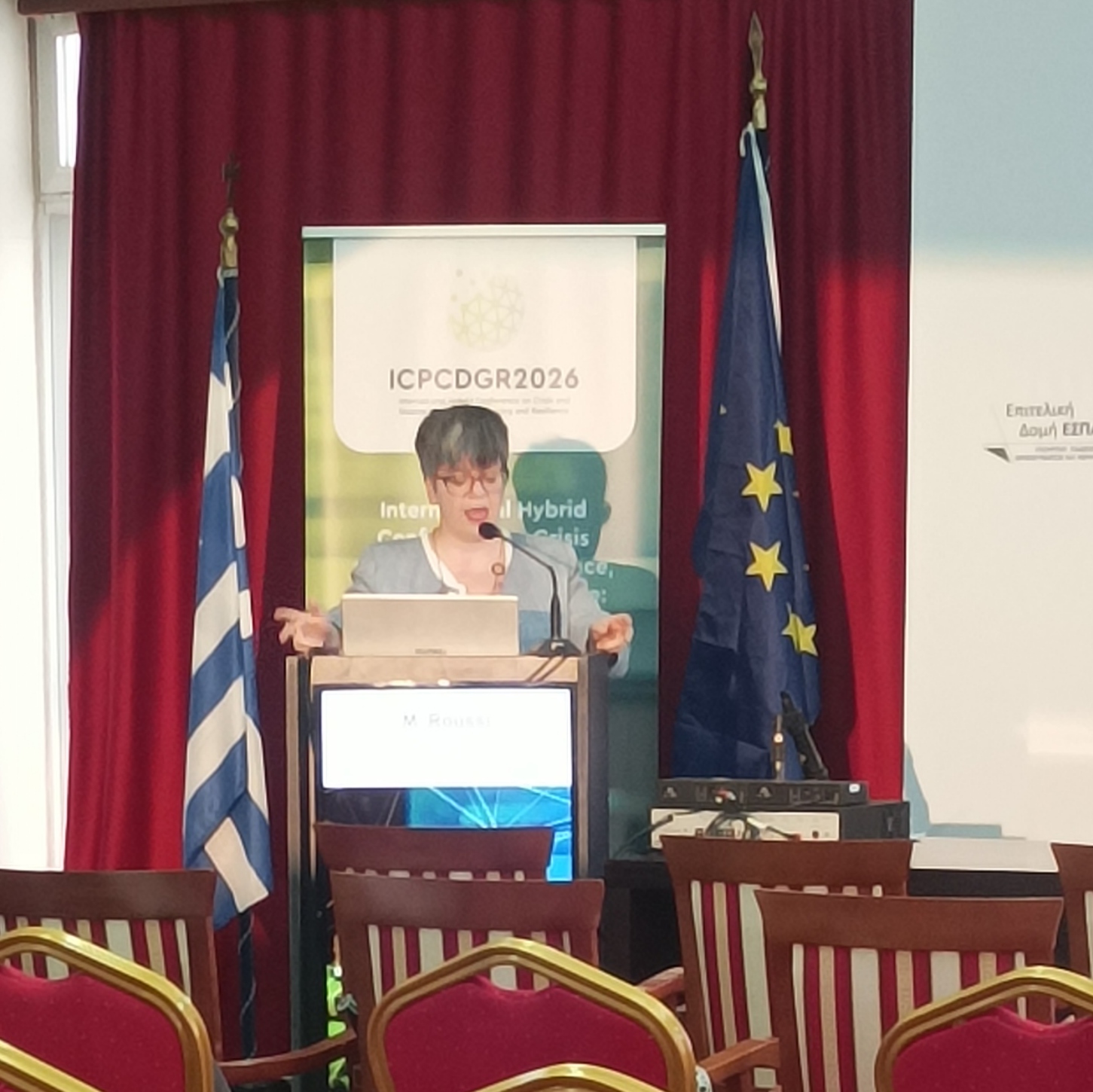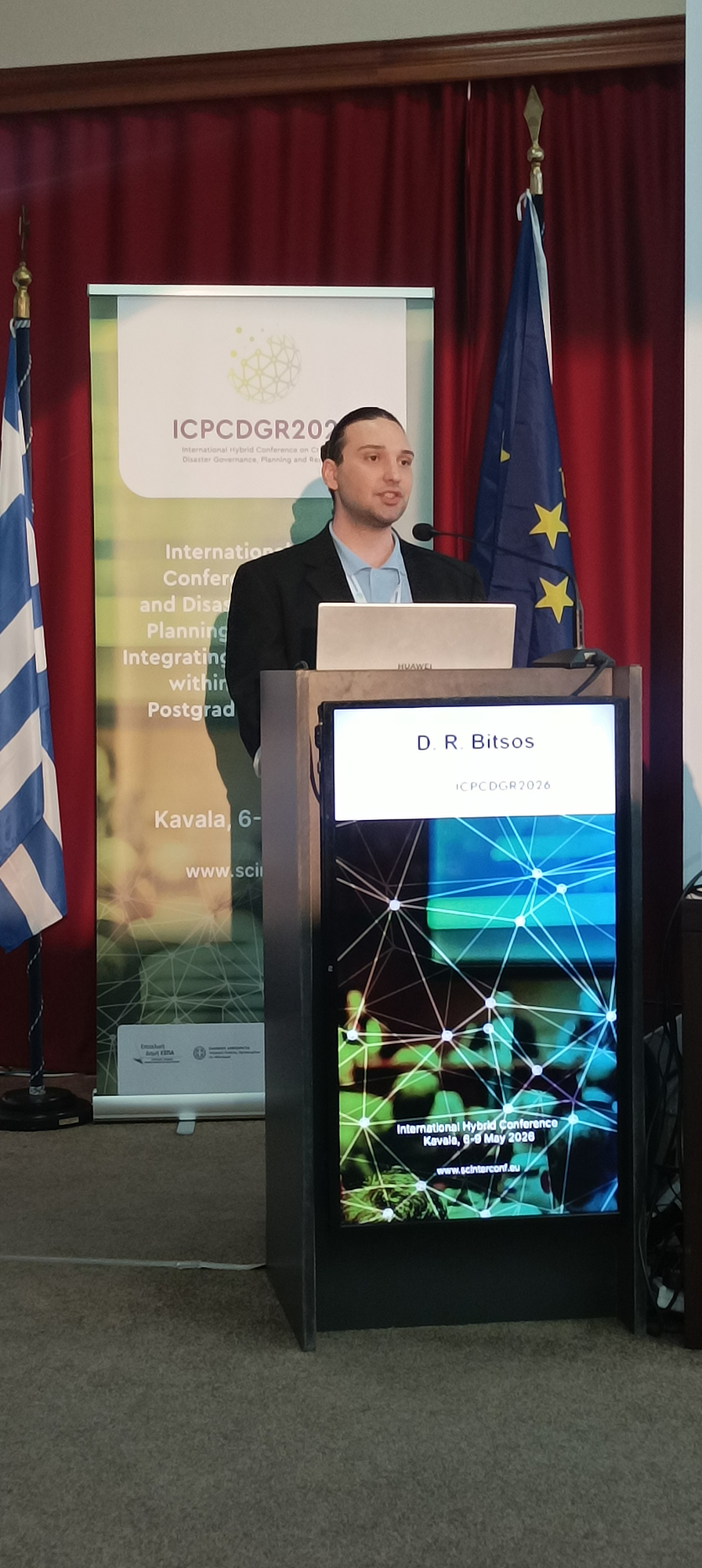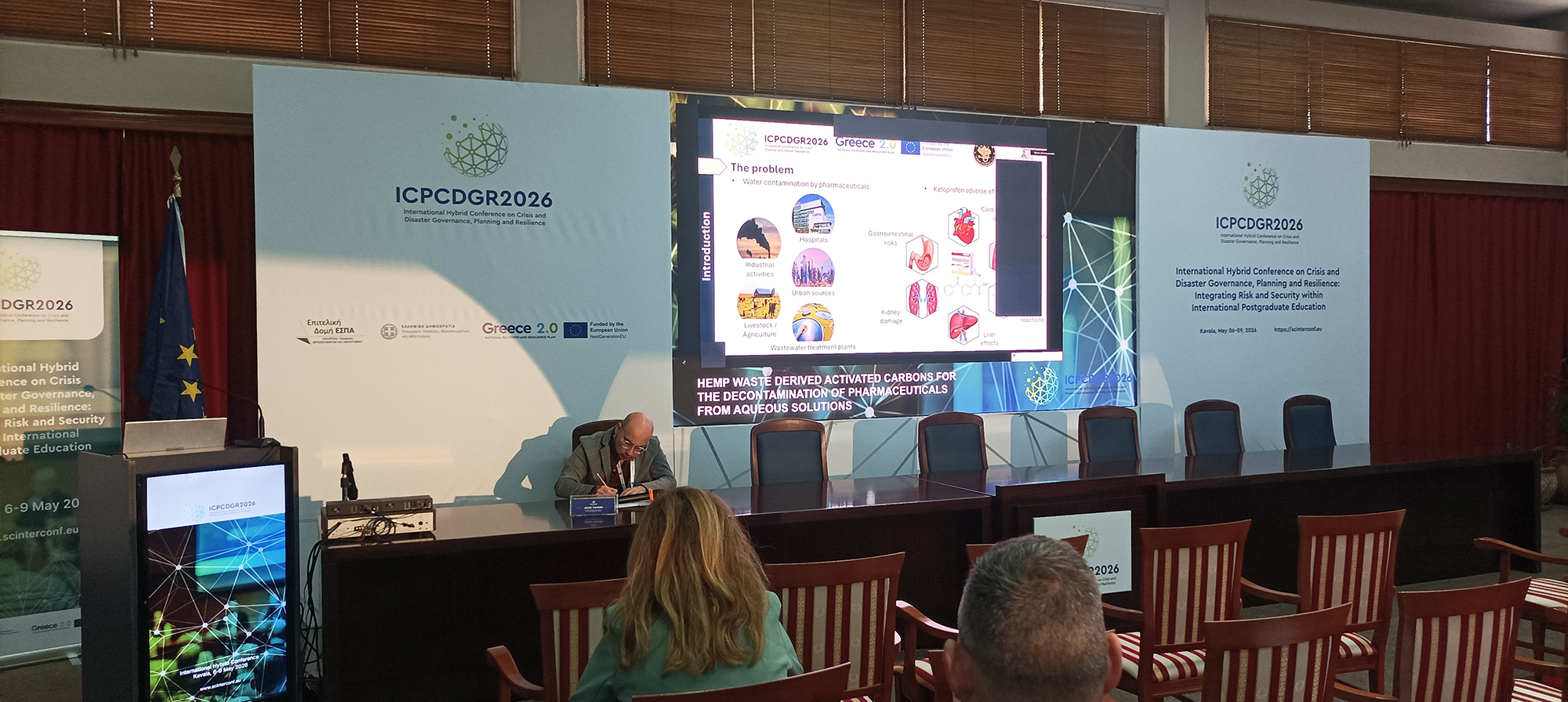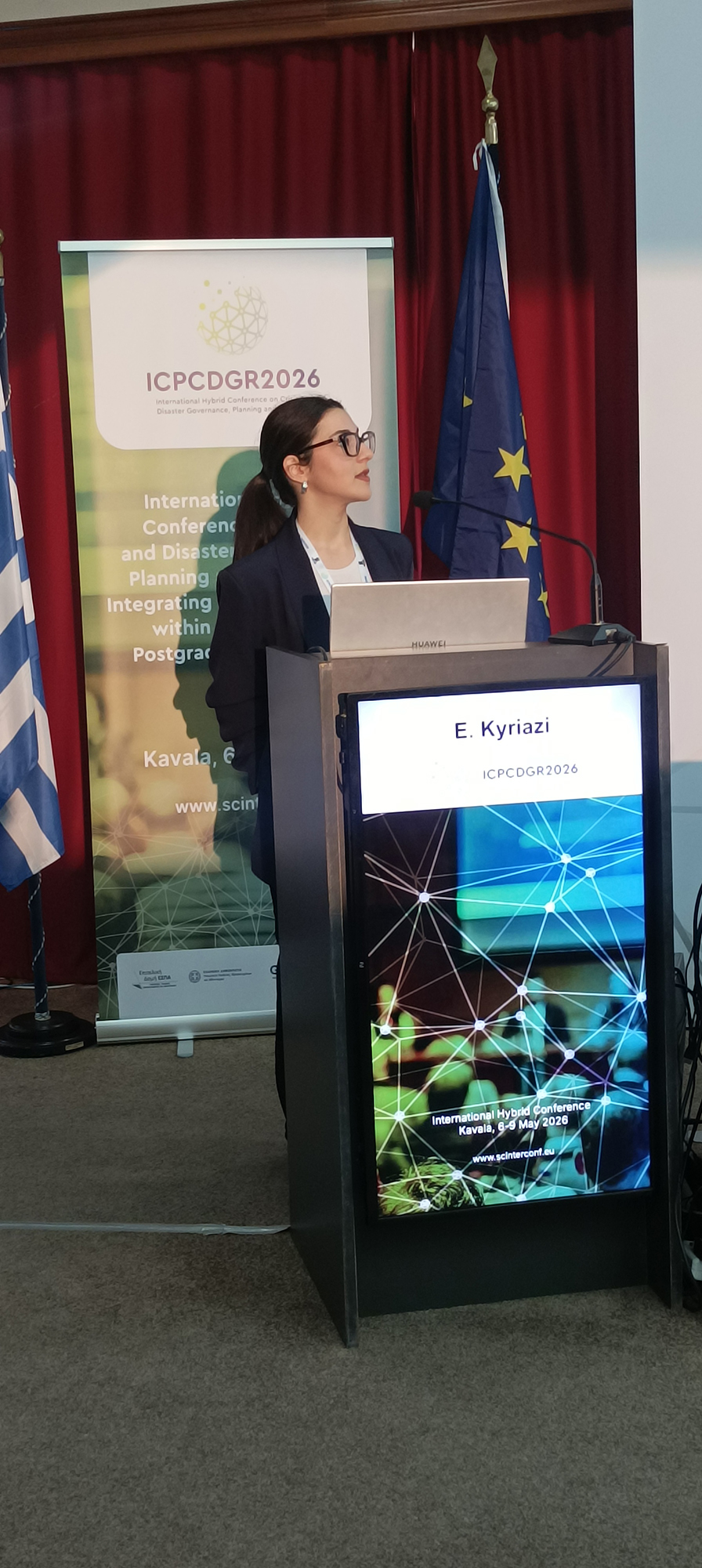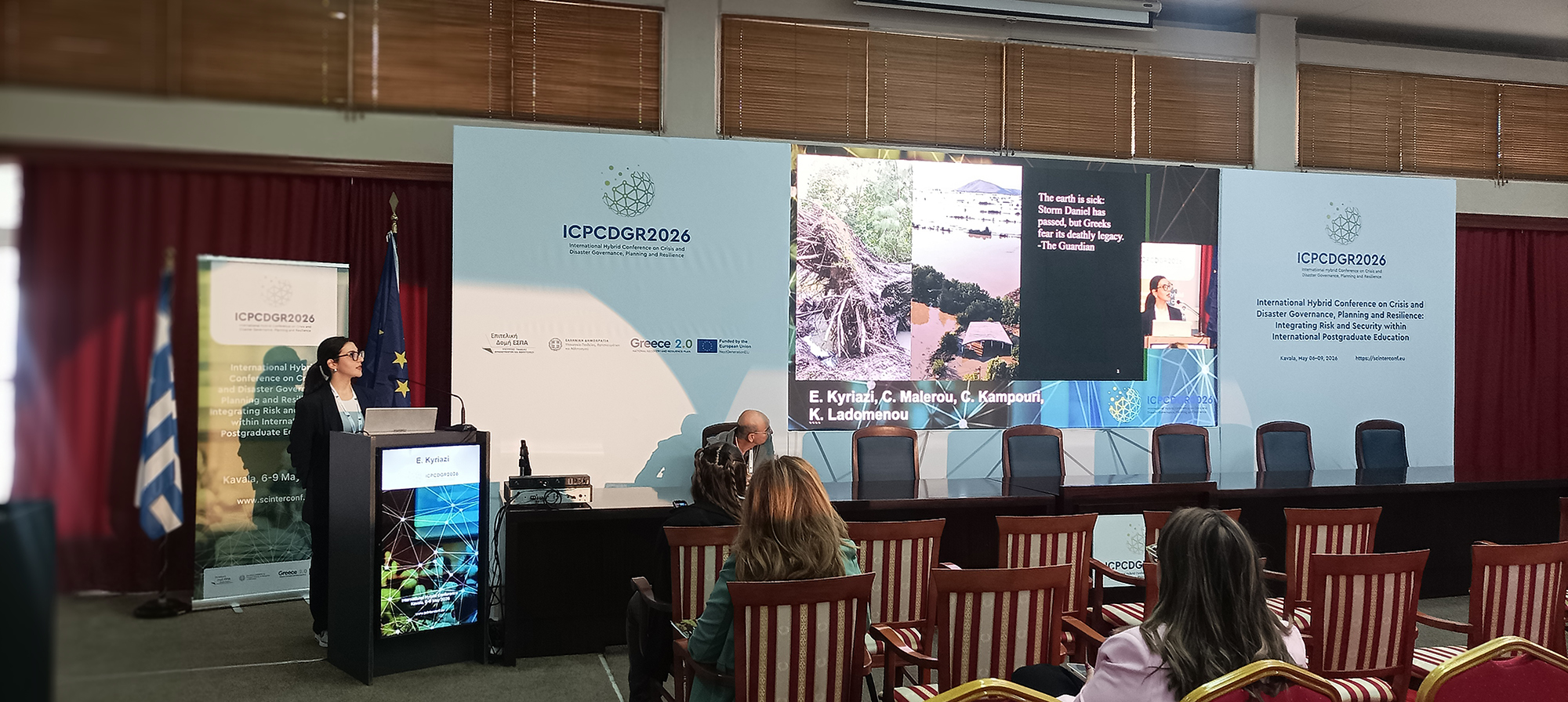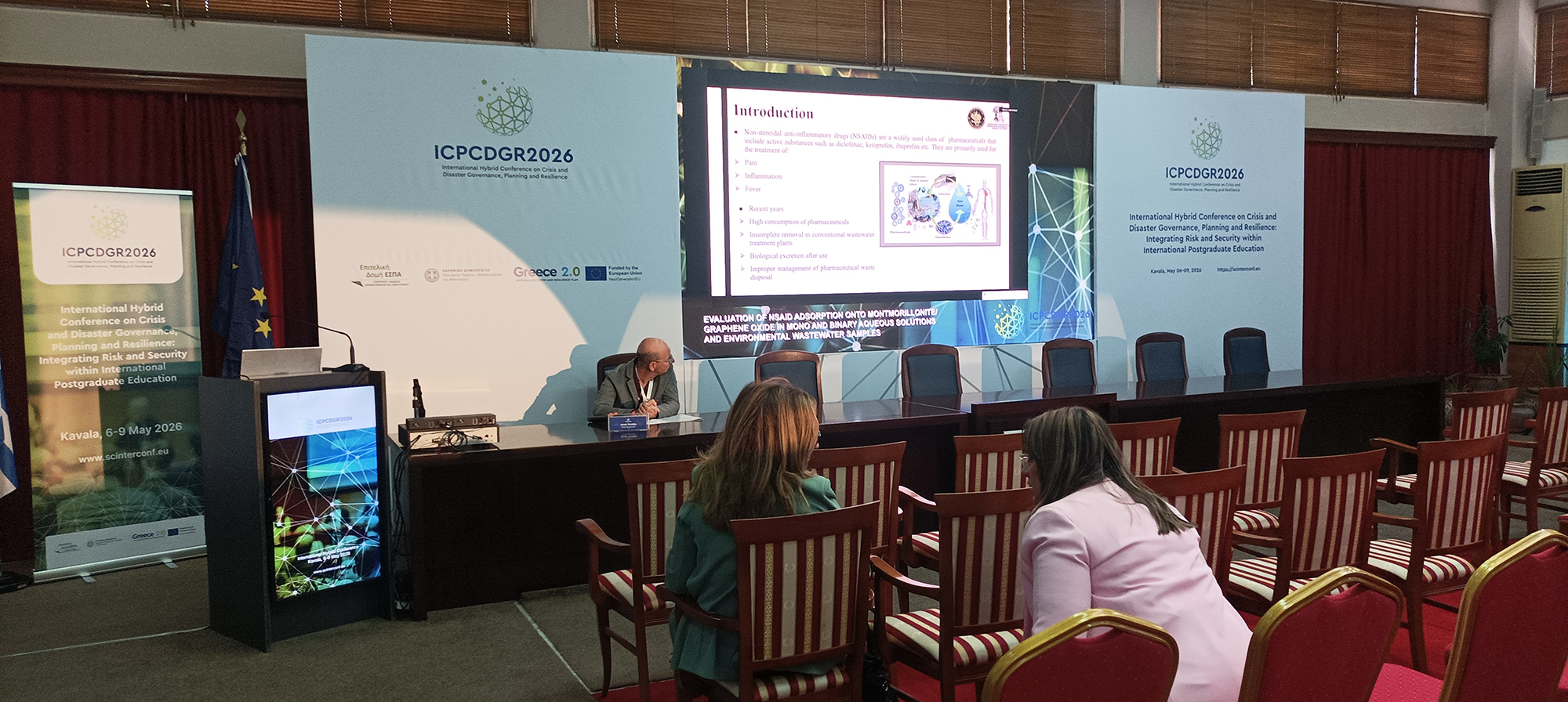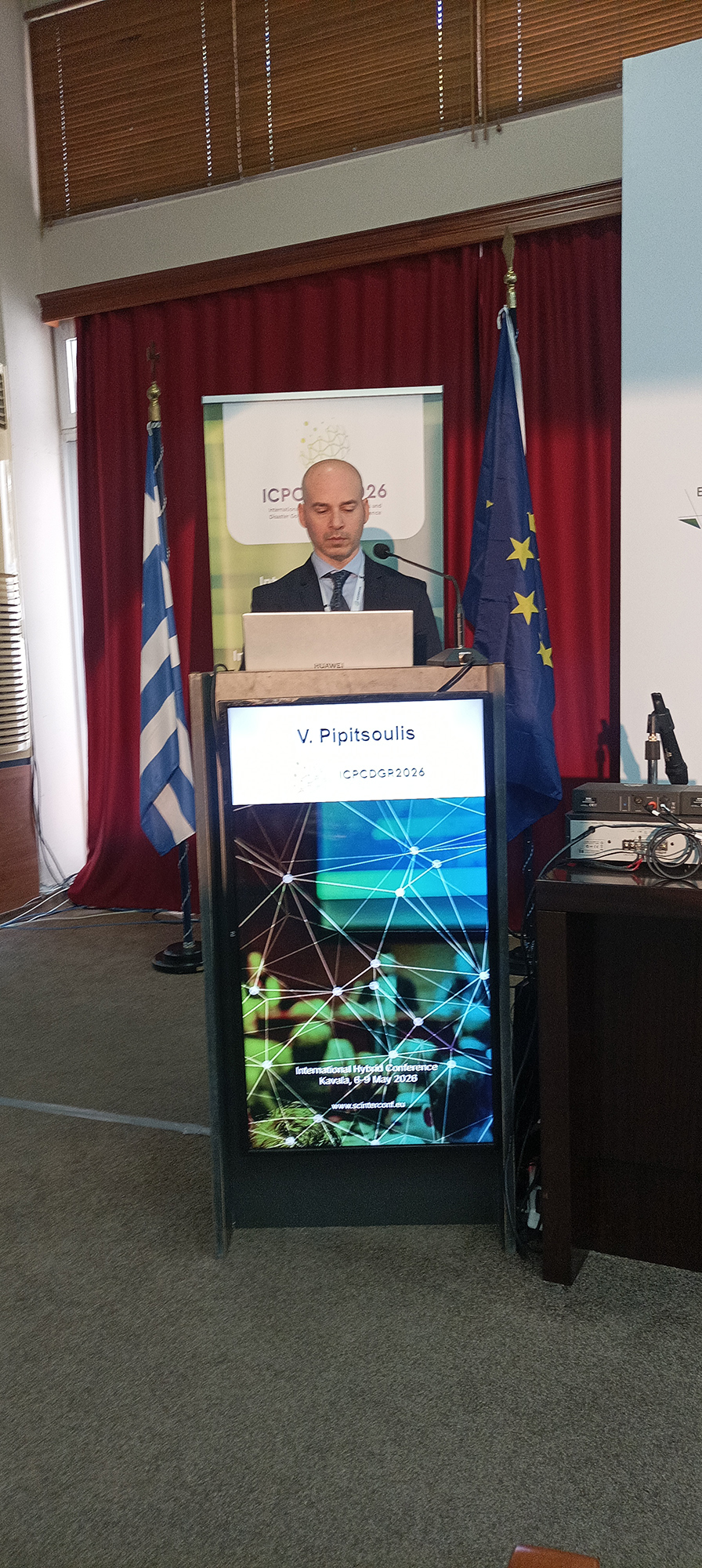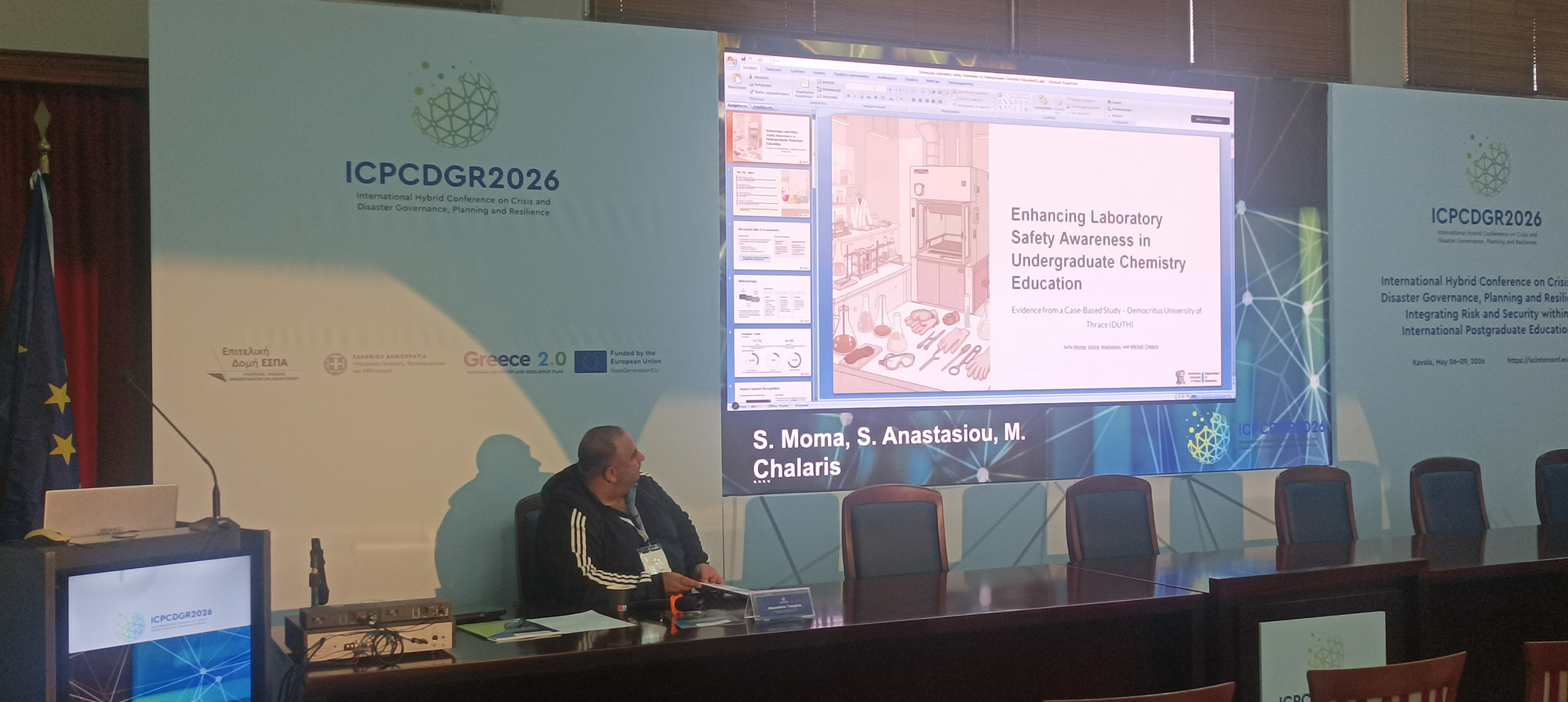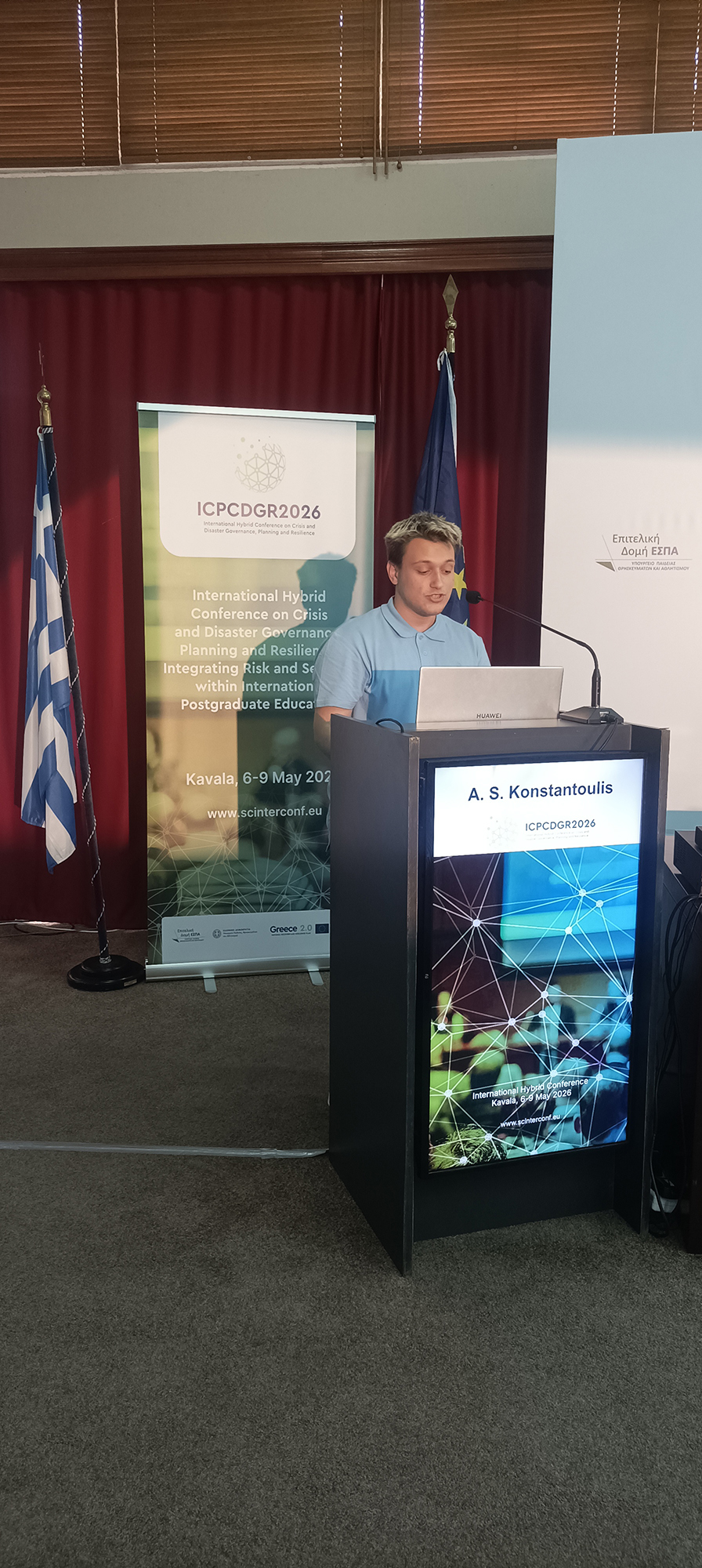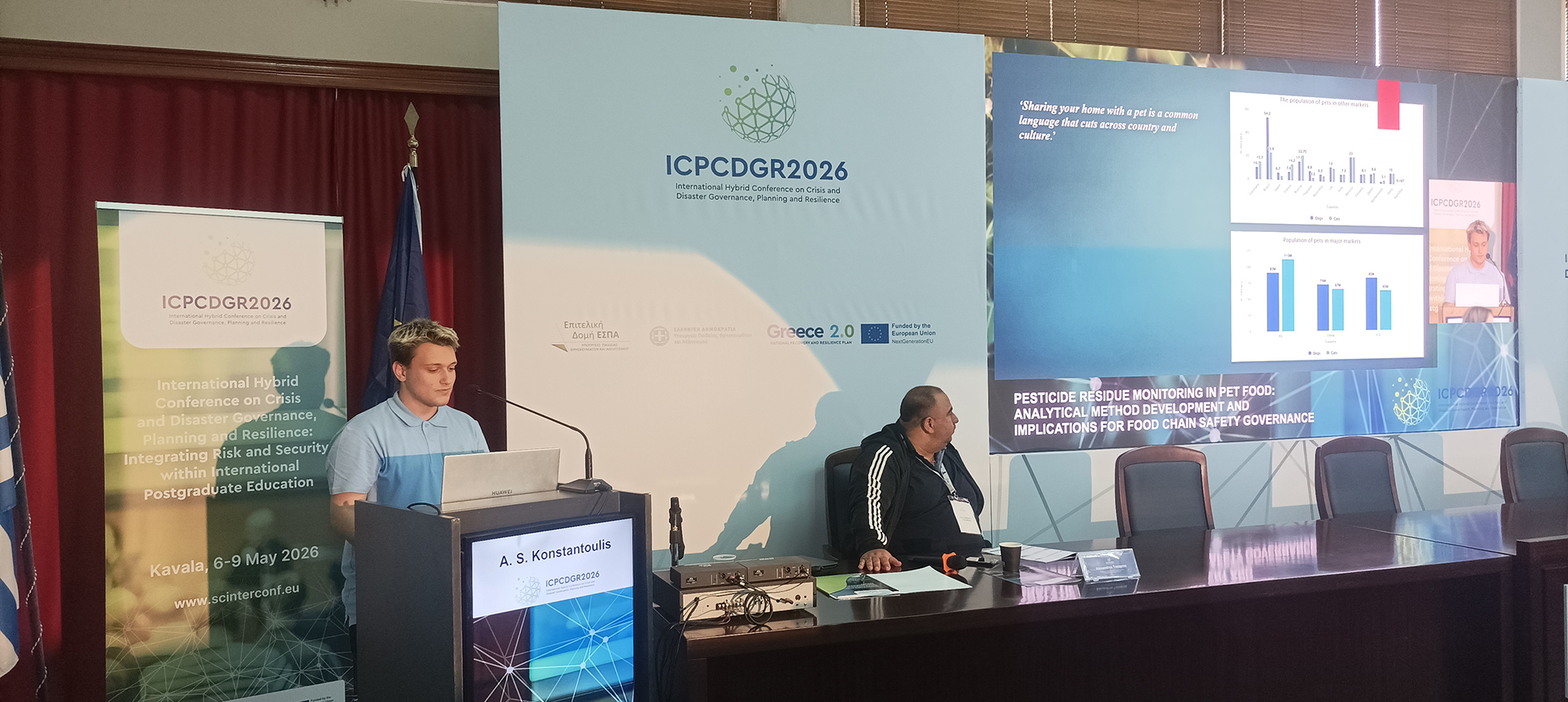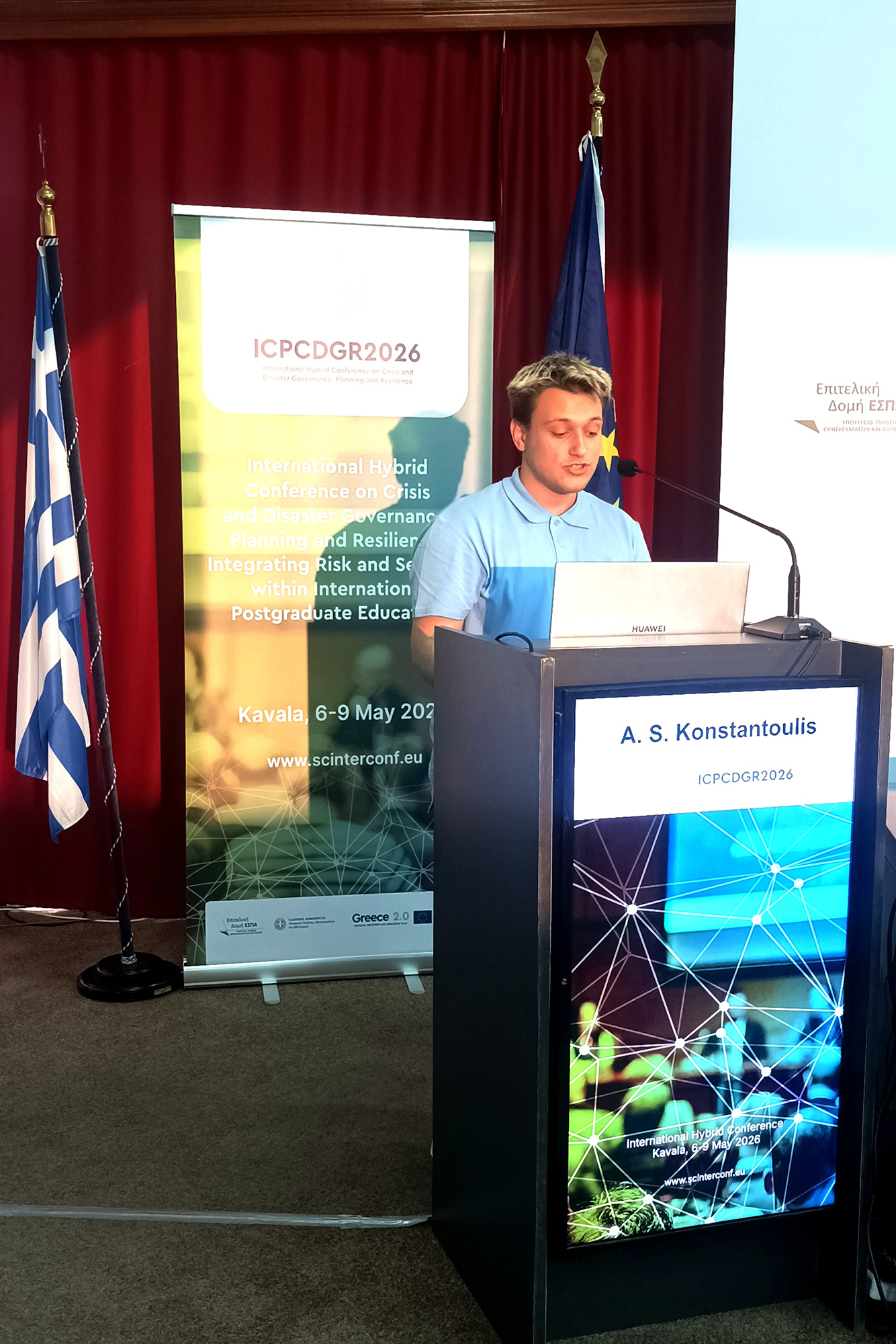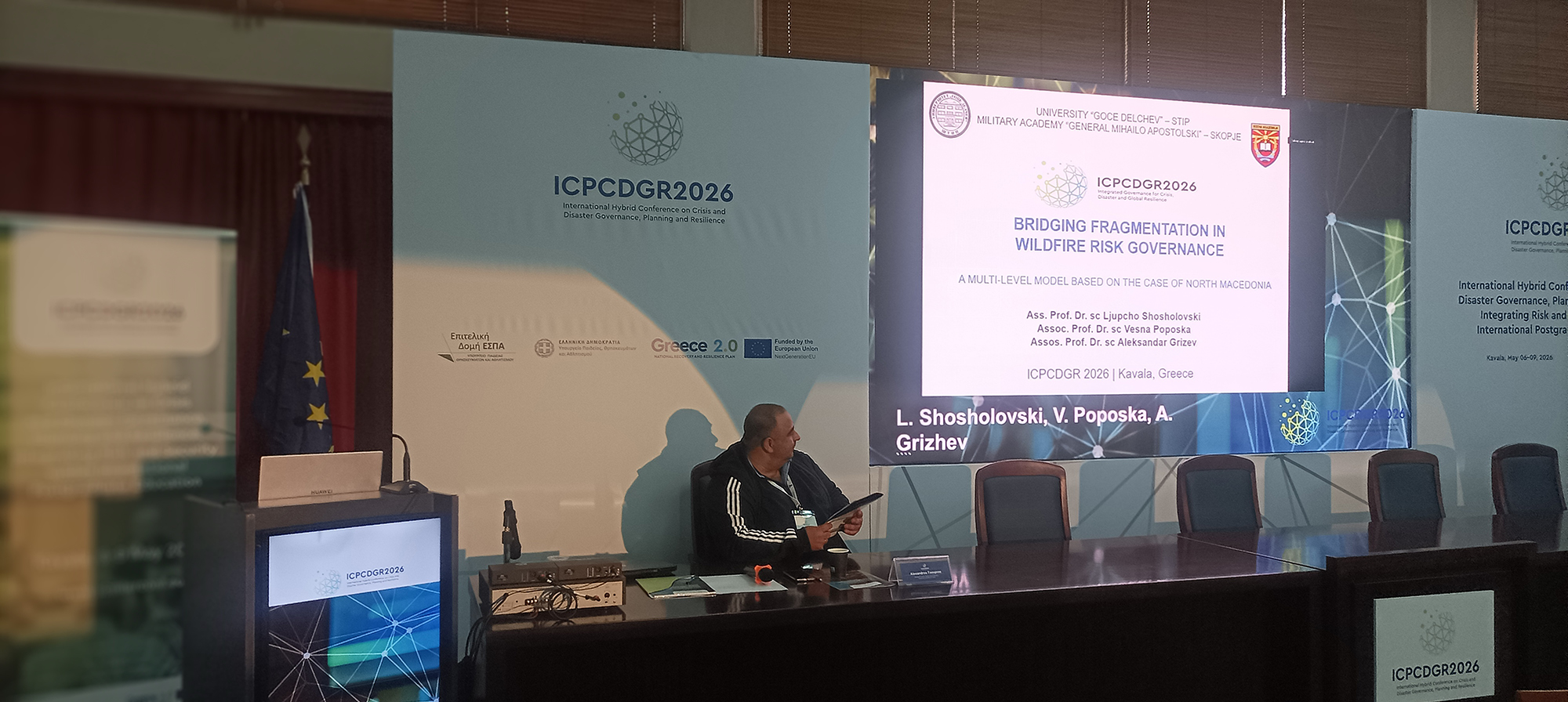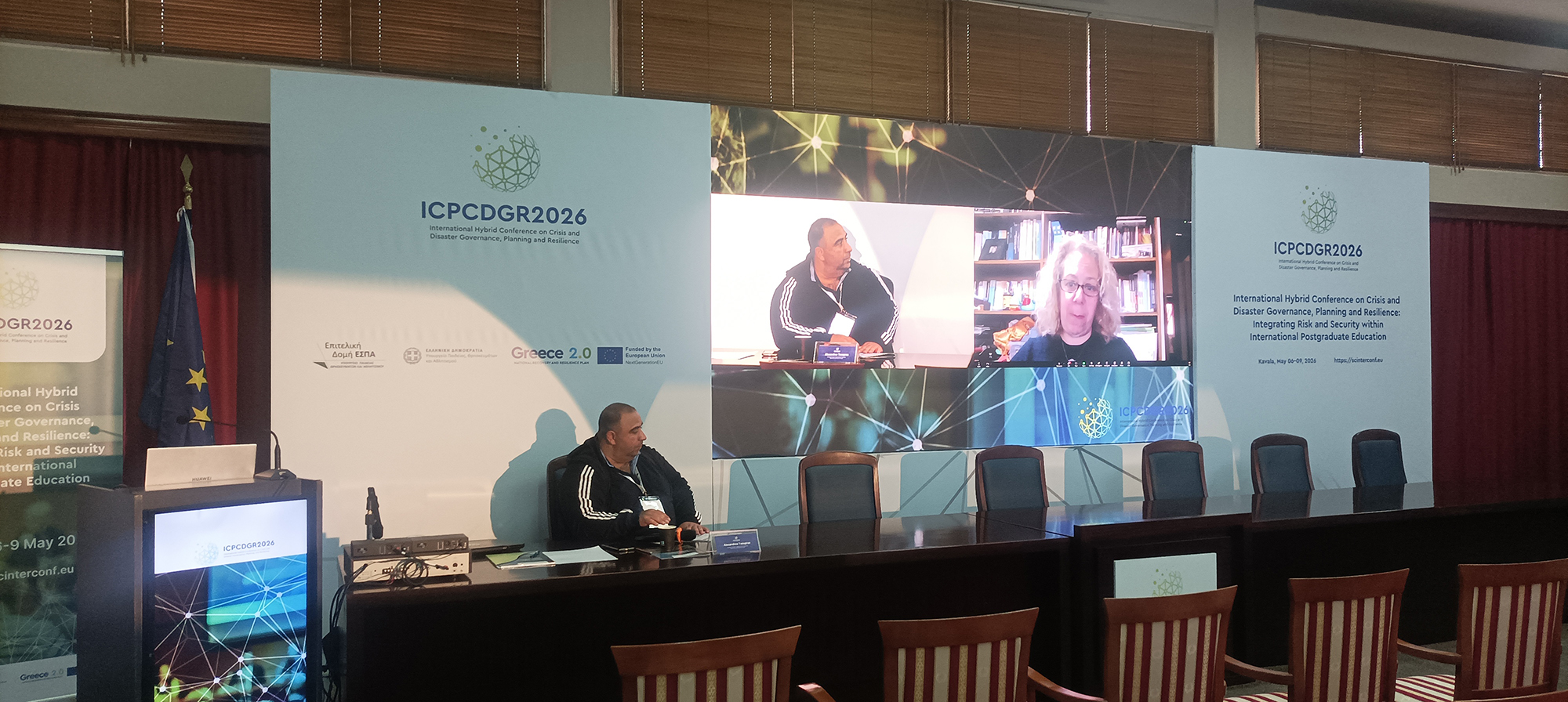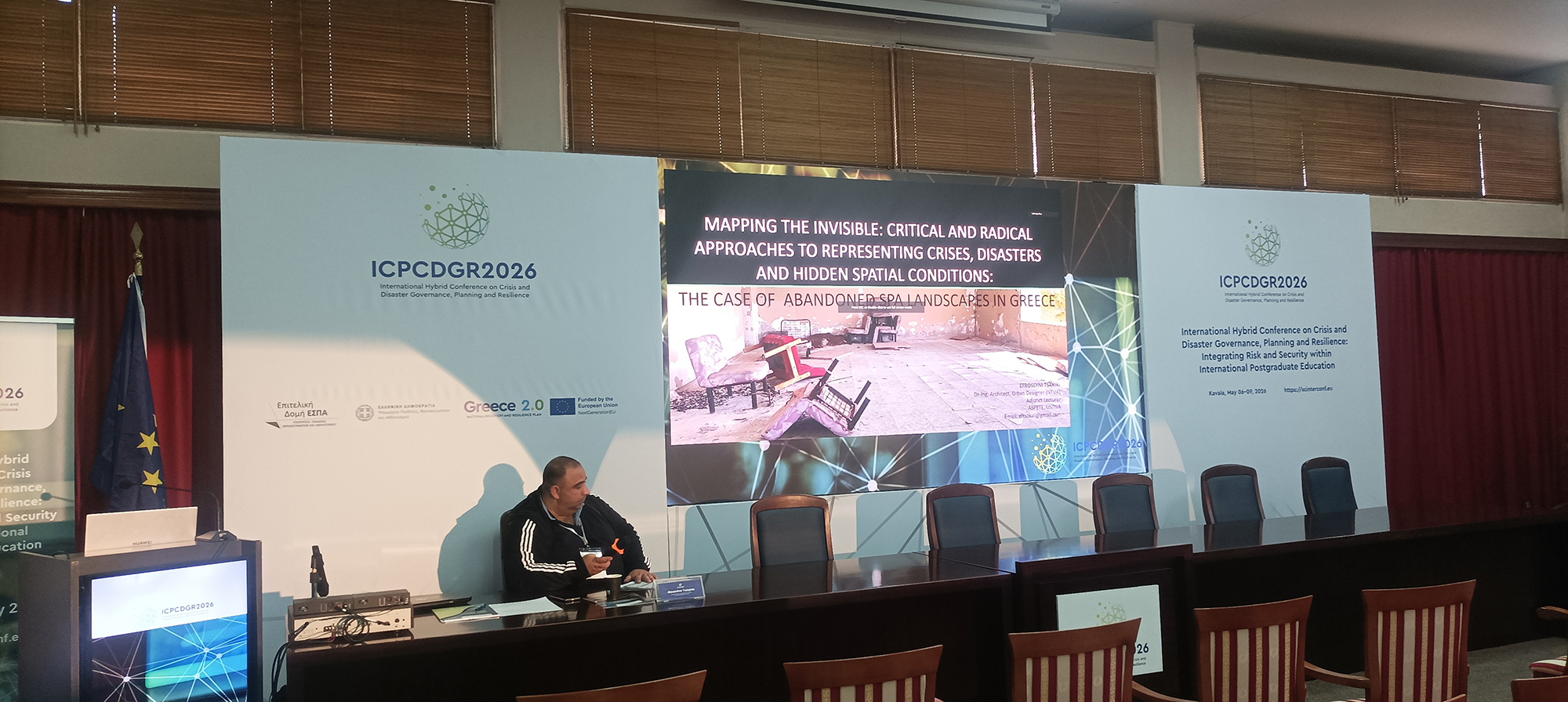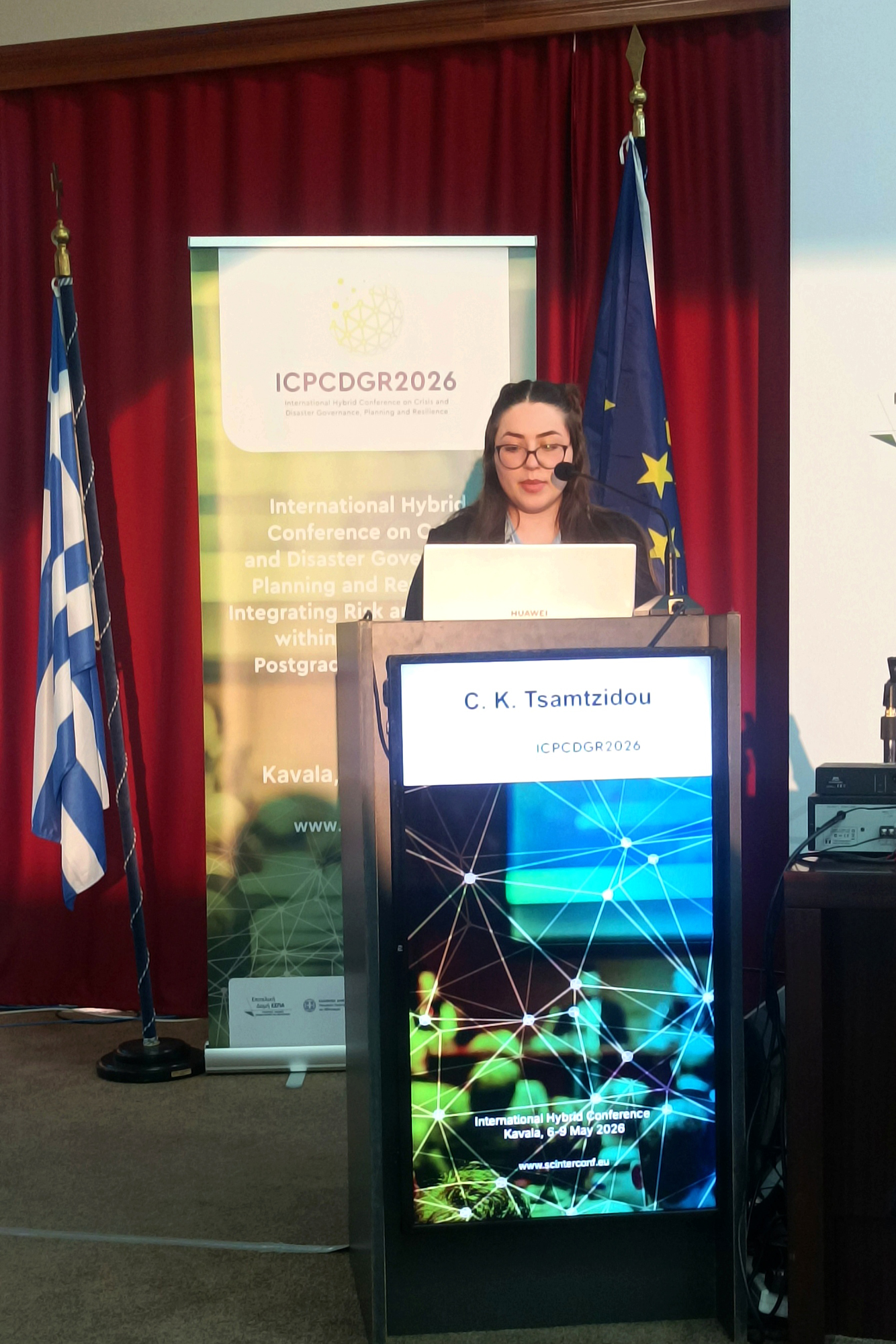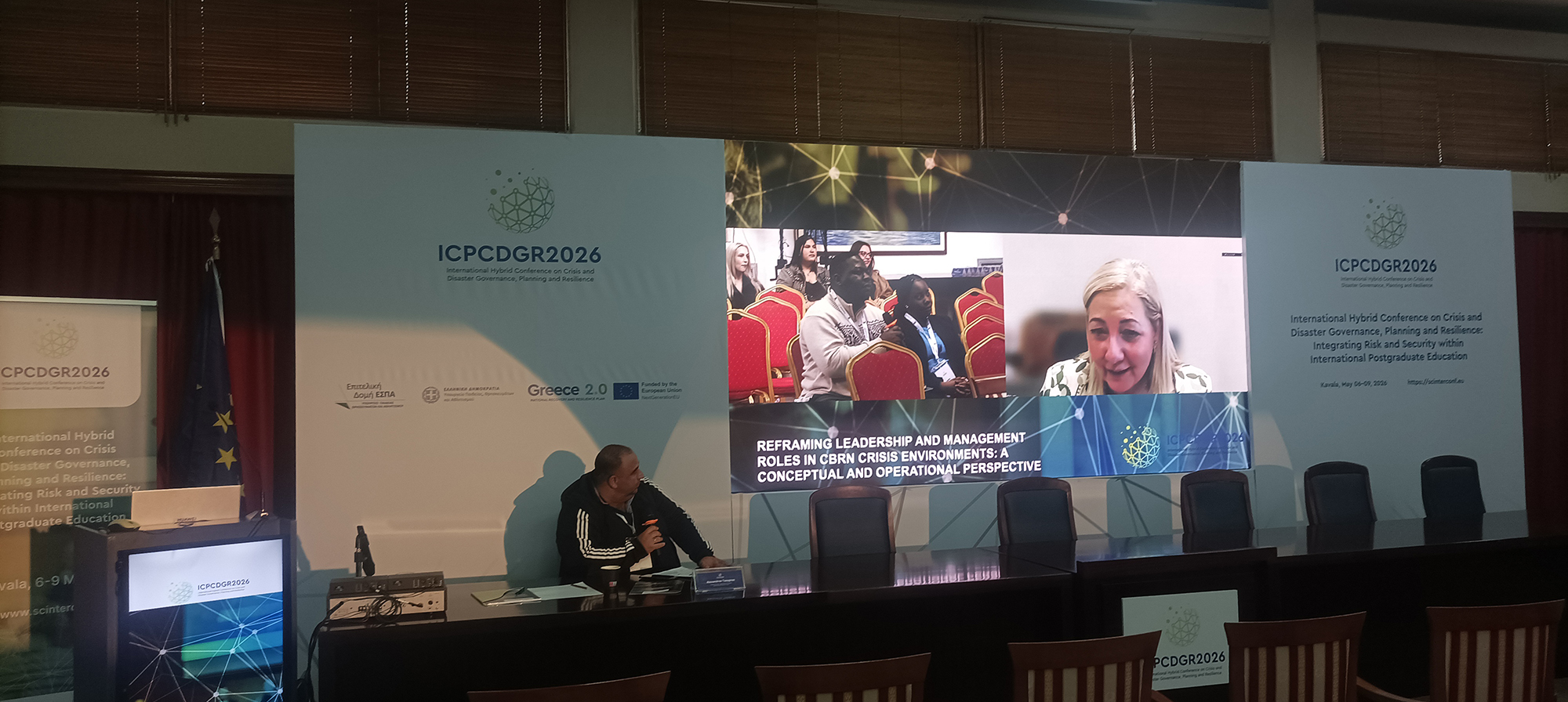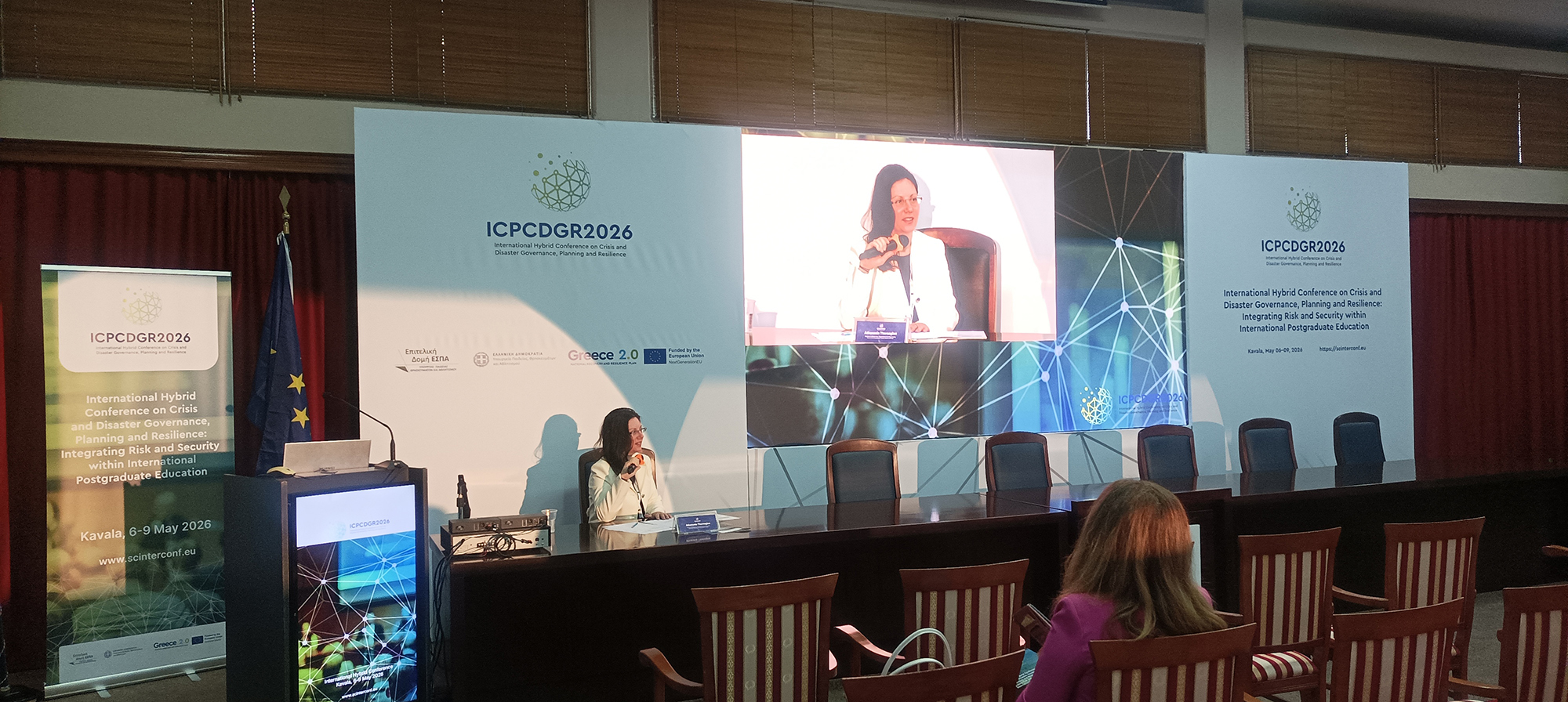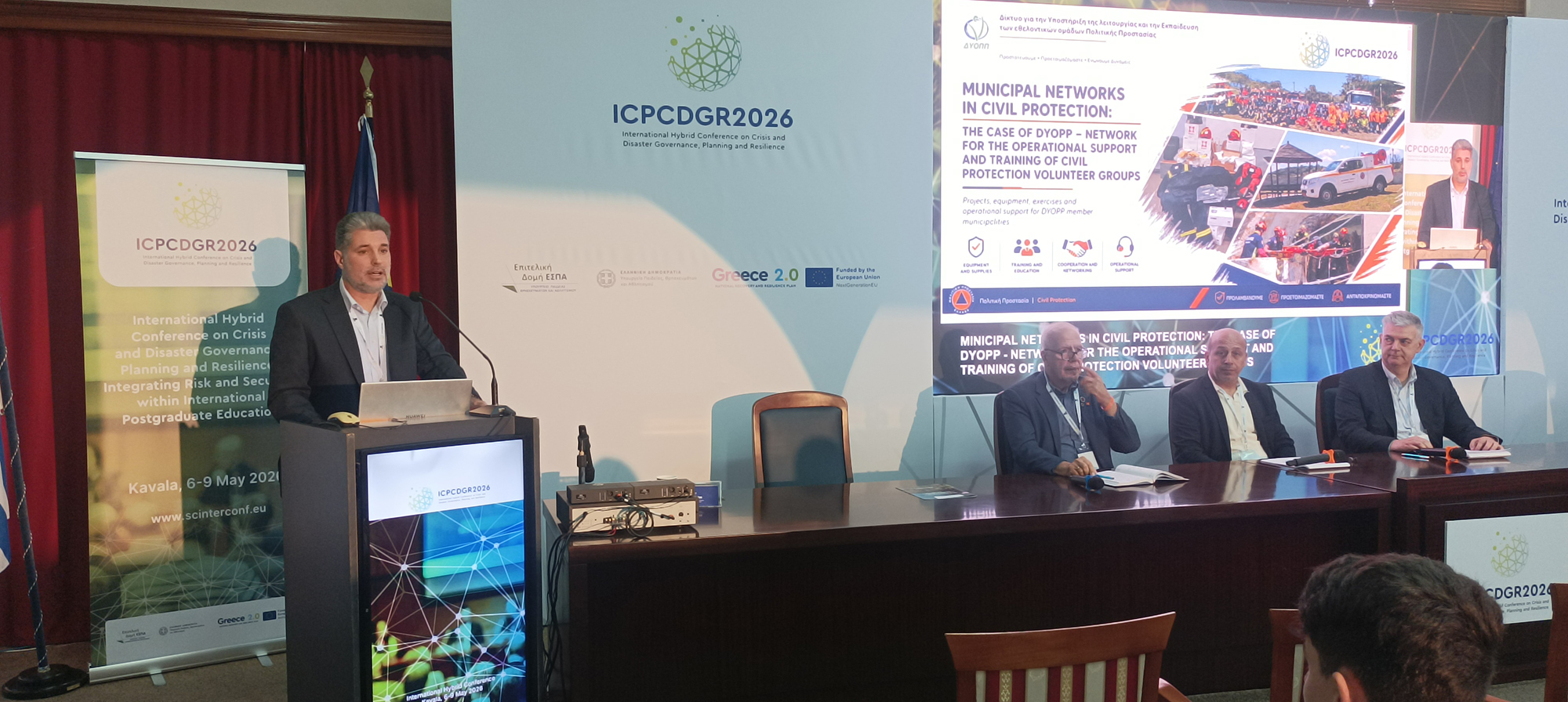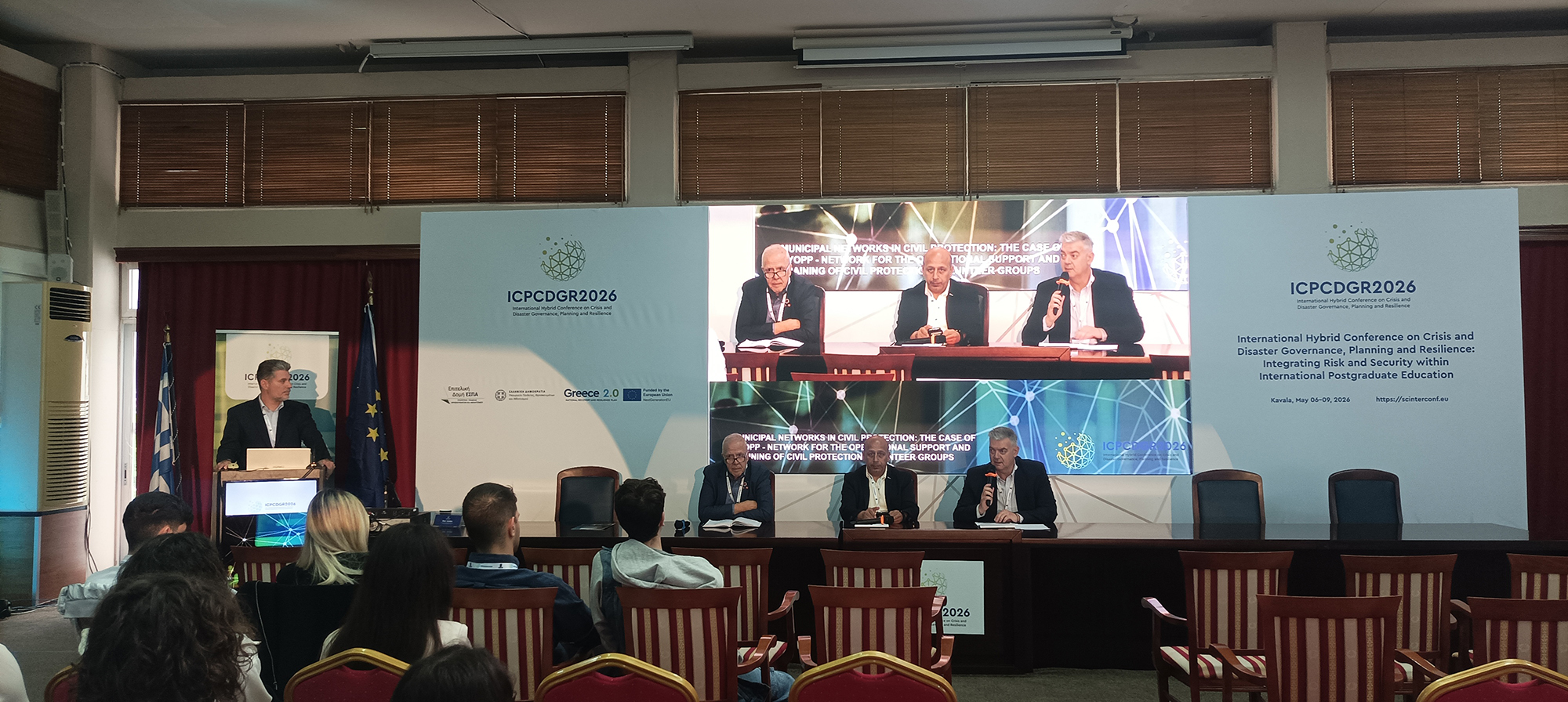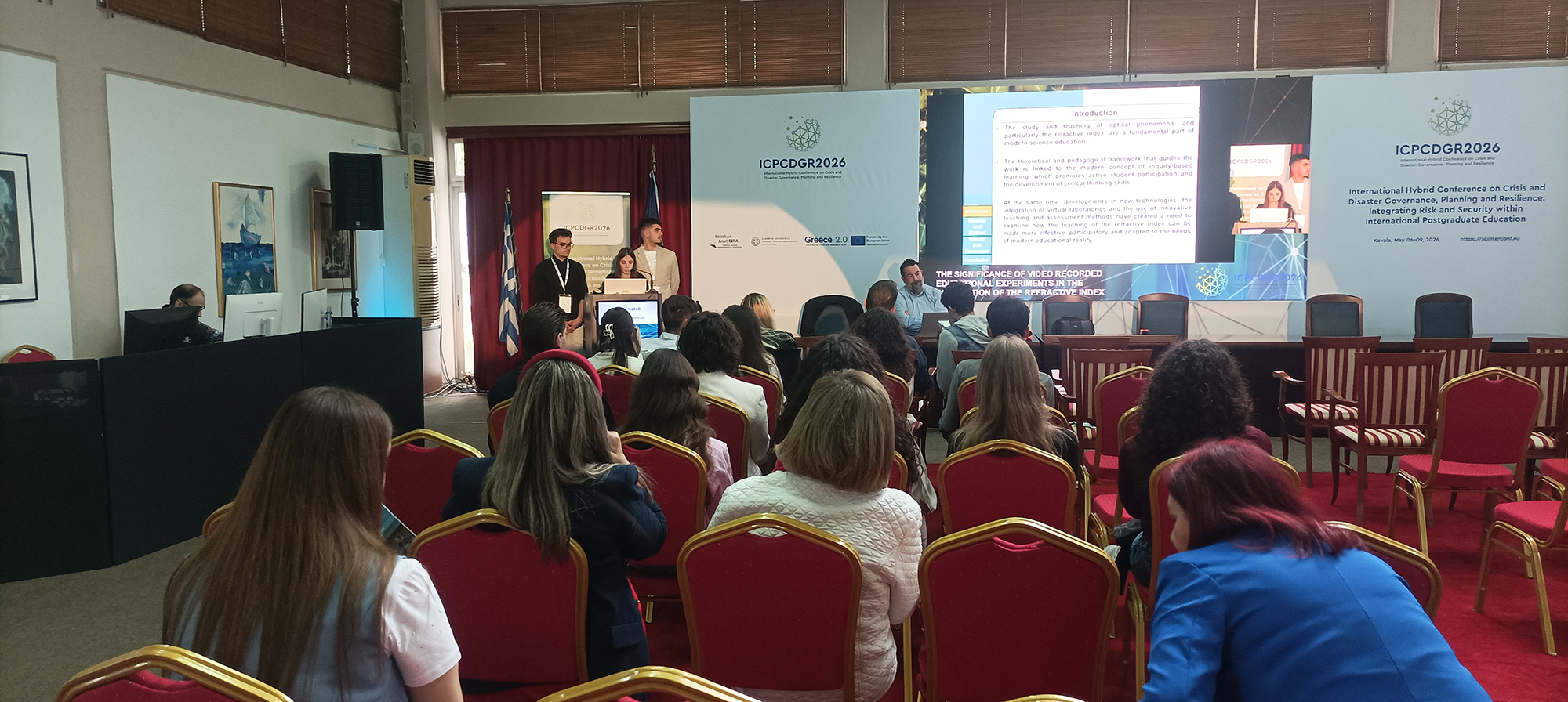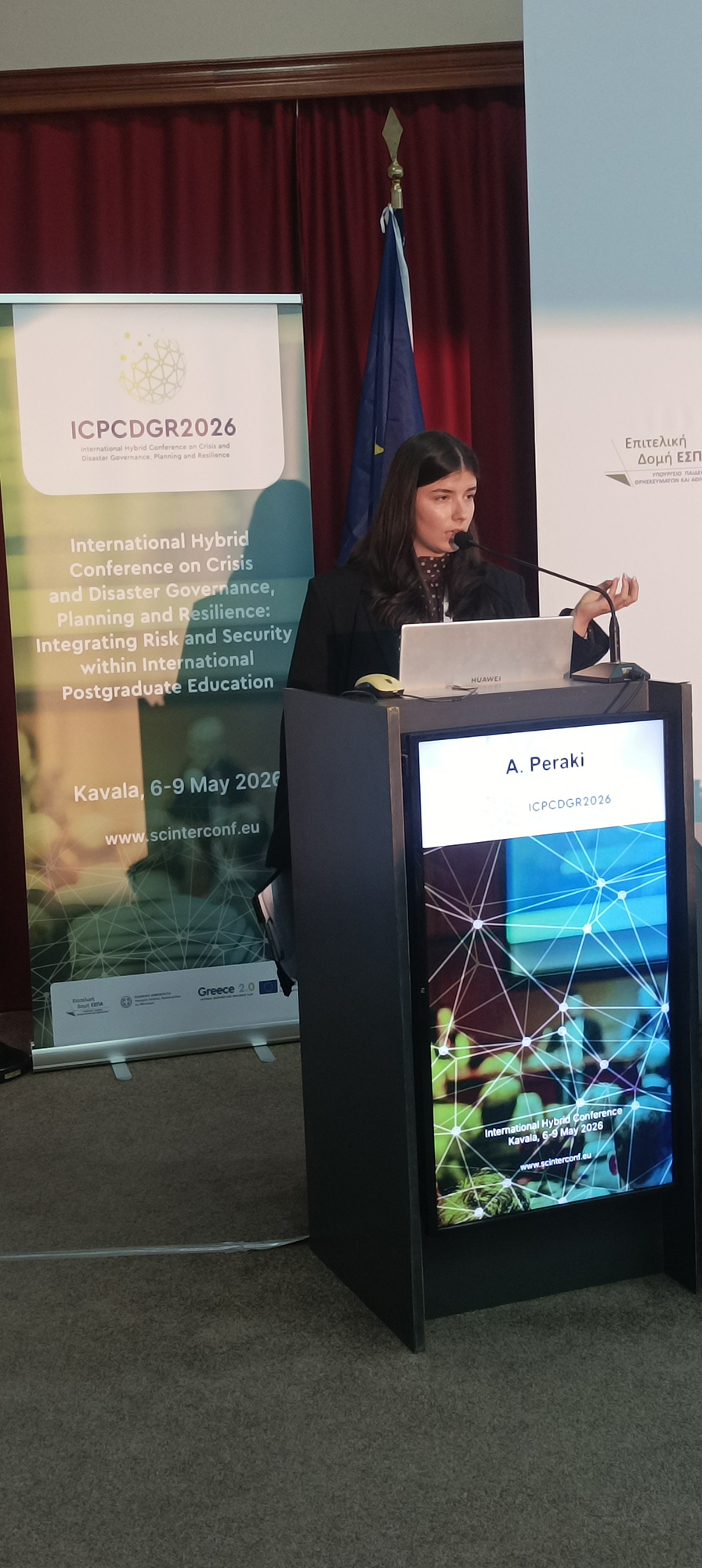
International Hybrid conference | KAVALA, 6-7–8–9 May 2026
Where Governance Meets Security.
Where Education Builds Resilience.
Where Strategy Shapes the Future.
International Hybrid conference | KAVALA, 6-7–8–9 May 2026
Where Governance Meets Security.
Where Education Builds Resilience.
Where Strategy Shapes the Future.
Welcome to ICPCDGR 2026
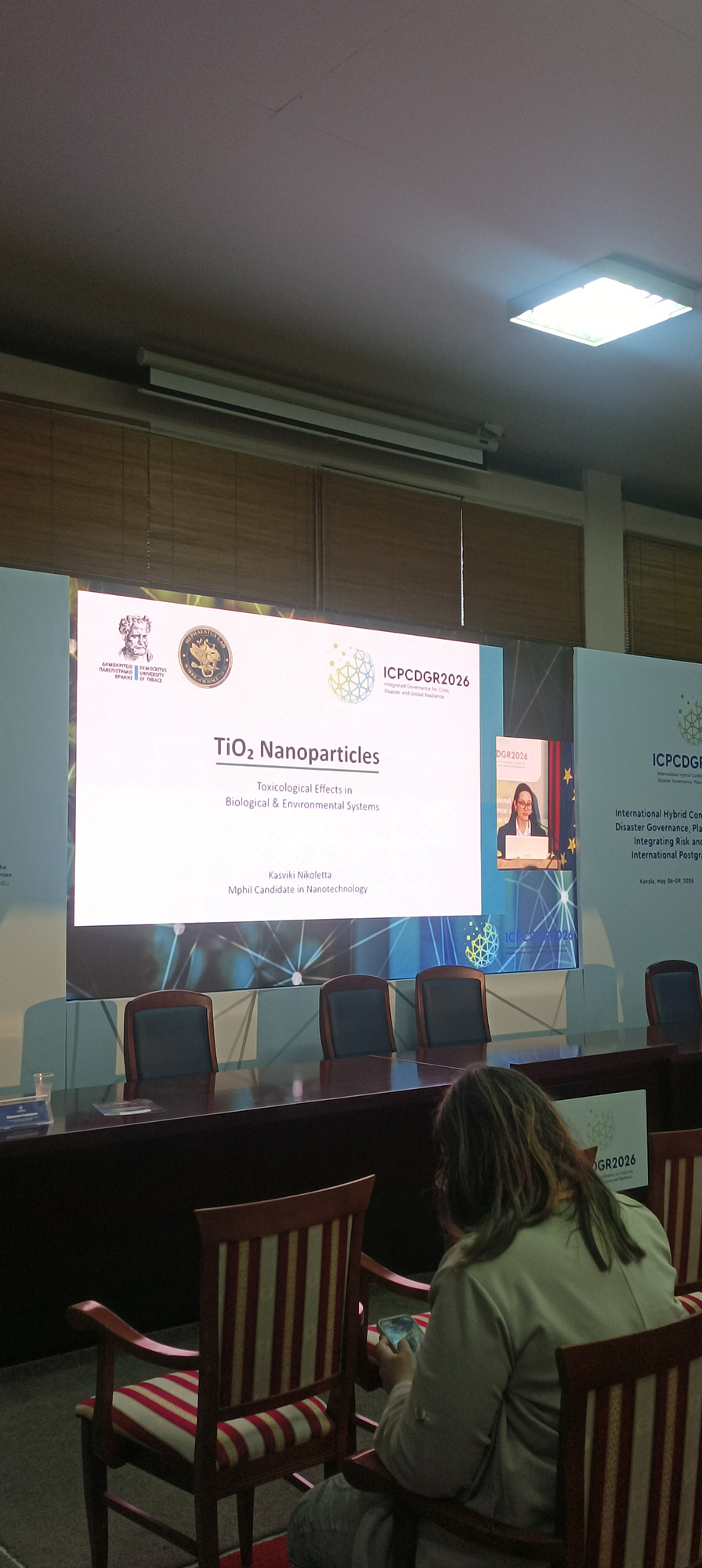
The International Hybrid Conference on Crisis and Disaster Governance, Planning and Resilience (ICPCDGR 2026) brings together scholars, practitioners, policymakers, and postgraduate students from around the world to explore innovative solutions and strategic frameworks at the intersection of risk, security, crisis governance, disaster planning, and resilience. The conference builds upon the strategic academic collaboration between the Democritus University of Thrace (DUTH) and York University (Canada), as formally structured under the Greece 2.0 — Recovery and Resilience Facility, which supports the internationalisation of higher education through the Universities of Excellence Initiative — Sub2: “Πανεπιστήμια Αριστείας” (OPS TA 5180665, Action Code 16289).
Hosted in the historic and vibrant city of Kavala, Greece—a strategic Mediterranean and Balkan crossroads—this flagship event fosters collaborative dialogue, critical analysis, and future-oriented research in an era marked by complex, interconnected threats, ranging from climate-driven disasters to hybrid security challenges and from governance transformation to innovation in international education. ICPCDGR 2026 positions Southeast Europe as a dynamic hub for advanced risk governance, crisis leadership and coordination, security-informed resilience planning, and interdisciplinary postgraduate education.
Conference Vision and Mission
ICPCDGR 2026 is not simply a conference; it is a strategic academic and policy convergence platform designed to connect research, governance, security, and operational practice within a coherent resilience framework. The conference seeks to integrate disaster governance with homeland security thinking, strengthen postgraduate curricula in crisis and resilience studies, advance digital, technological, and AI-supported crisis management, promote interdisciplinary academic cooperation across Europe, North America, and the Global South, and bridge theory with real-world decision-making environments. At the same time, it aims to connect academic research with policy and practice, advance strategic governance models for resilience and crisis response, integrate international postgraduate education into global security agendas, and promote innovation in disaster risk reduction, resilience planning, and security governance.
Aligned with the strategic objectives of Greece 2.0 – Universities of Excellence (Action 16289), the conference supports the internationalisation of higher education, the digital transformation of academic programmes, the strengthening of employment-relevant postgraduate skills, and the long-term sustainability and innovation of academic ecosystems. It is conceived as a landmark platform for presenting cutting-edge research, sharing best practices, and fostering international collaborations that enhance institutional capacity, community resilience, and evidence-based governance in an increasingly complex global risk environment.
The thematic architecture of ICPCDGR 2026 reflects internationally recognised pillars in crisis, disaster, and security studies and is structured around an integrated and interdisciplinary approach. Core themes include Risk Governance and Strategic Planning; Crisis and Emergency Management; Homeland Security and Public Safety; Environmental and Natural Disaster Management; Cybersecurity and Critical Infrastructure Protection; Public Health and Health Security; Humanitarian Response and International Relief; Leadership and Decision-Making in Crises; Technological Applications and AI in Crisis Management; Humanitarian Engineering; Legal, Ethical and Policy Frameworks; Psychology and Human Behaviour in Crisis; Education in Emergencies; Cultural Sector Recovery; Critical Infrastructure Protection; Hybrid Threats and Security Dynamics; Climate Risk and Disaster Preparedness; Intelligence, Cybersecurity and Information Warfare; Borders, Migration and Human Security; and the internationalisation of postgraduate education in security and resilience studies.
Expanded Strategic Conference Tracks
Public Safety, Security & Strategic Communication
- Risk Communication and Crisis Coordination
- Strategic Risk Messaging in High-Stakes Environments
- Media Dynamics in Emergency Response
- Trust, Misinformation and Public Perception
- Multi-Agency Coordination Models
Negotiation, Mediation & Conflict Resolution
- Crisis Negotiation in Humanitarian Contexts
- Mediation in Post-Conflict Zones
- Peacebuilding through Emergency Dialogue
- Multi-Stakeholder Conflict Resolution
Health Security & Medical Preparedness
- National Health Crisis Response Systems
- Public Health Intelligence
- Civilian & Military Medical Strategies
- Frontline Medicine in Homeland Defense
- Medical Infrastructure and National Security
Mental Health & Human Resilience
- Psychosocial Care in Disasters
- Trauma Support and Collective Recovery
- Community-Based Mental Health
- Psychological Resilience of First Responders
Technology, AI & Security
- Cyber Threats in Critical Infrastructure
- AI, Surveillance & Ethical Risk
- Digital Risk and Data Integrity
- Securing Emergency Systems from Cyber Intrusion
Technology, AI & Security
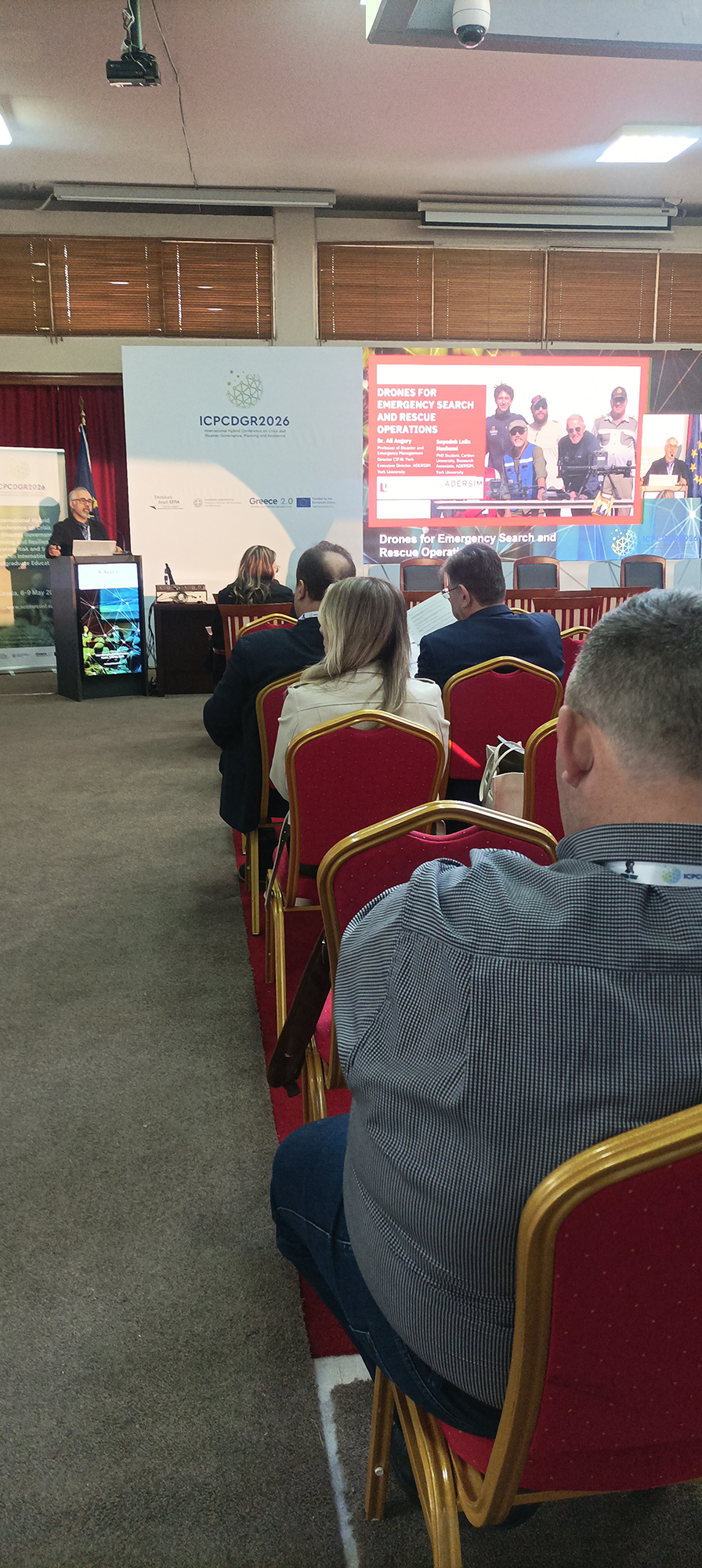
- Drones, Robotics and Sensors in Crisis Response
- Data-Driven Crisis Mapping
- Predictive Analytics & Big Data
- Innovation Hubs for Disaster Solutions
Governance, Law & Policy
- Emergency Powers and Legal Frameworks
- Disaster Law and Human Rights
- Accountability in Emergency Policy-Making
- Transnational Crisis Regulation
Indigenous & Community-Centered Resilience
- Traditional Ecological Knowledge
- Decolonising Emergency Response
- Adaptive Community Governance
Urban & Environmental Resilience
- Resilient Cities Planning
- Nature-Based Solutions
- Infrastructure Fragility and Adaptive Design
- Environmental Justice in Disaster Planning
Humanitarian Logistics & Operational Response
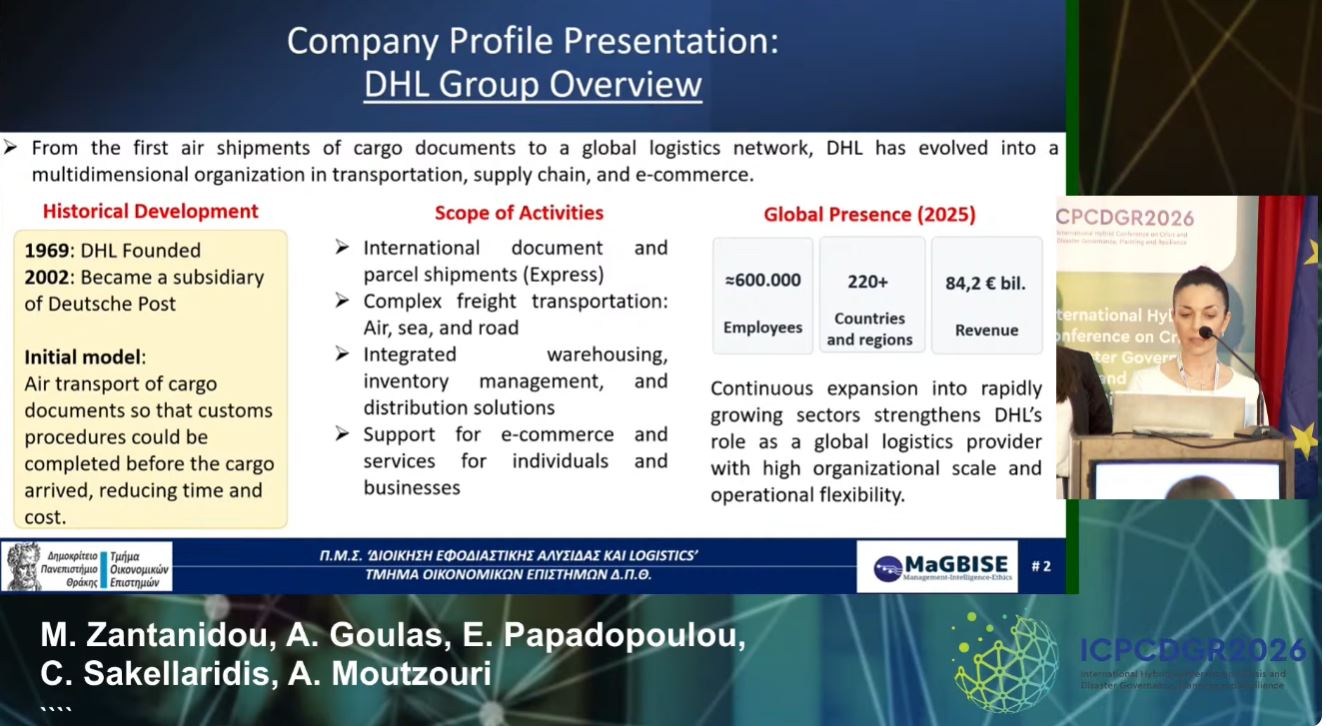
- Tactical Supply Chains
- Crisis Logistics in Conflict Zones
- Last-Mile Delivery Challenges
- Ethics in Resource Allocation
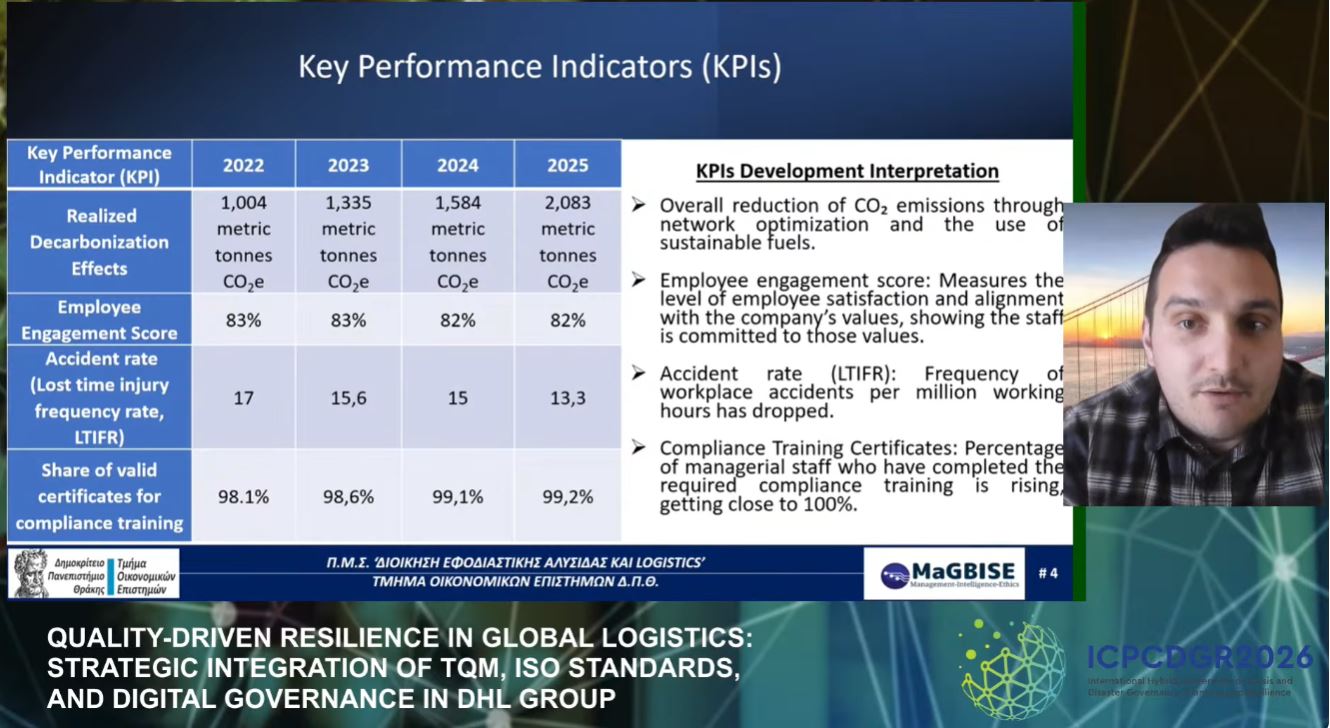
- Managing supply chain in crisis
- Production continuity and contingency
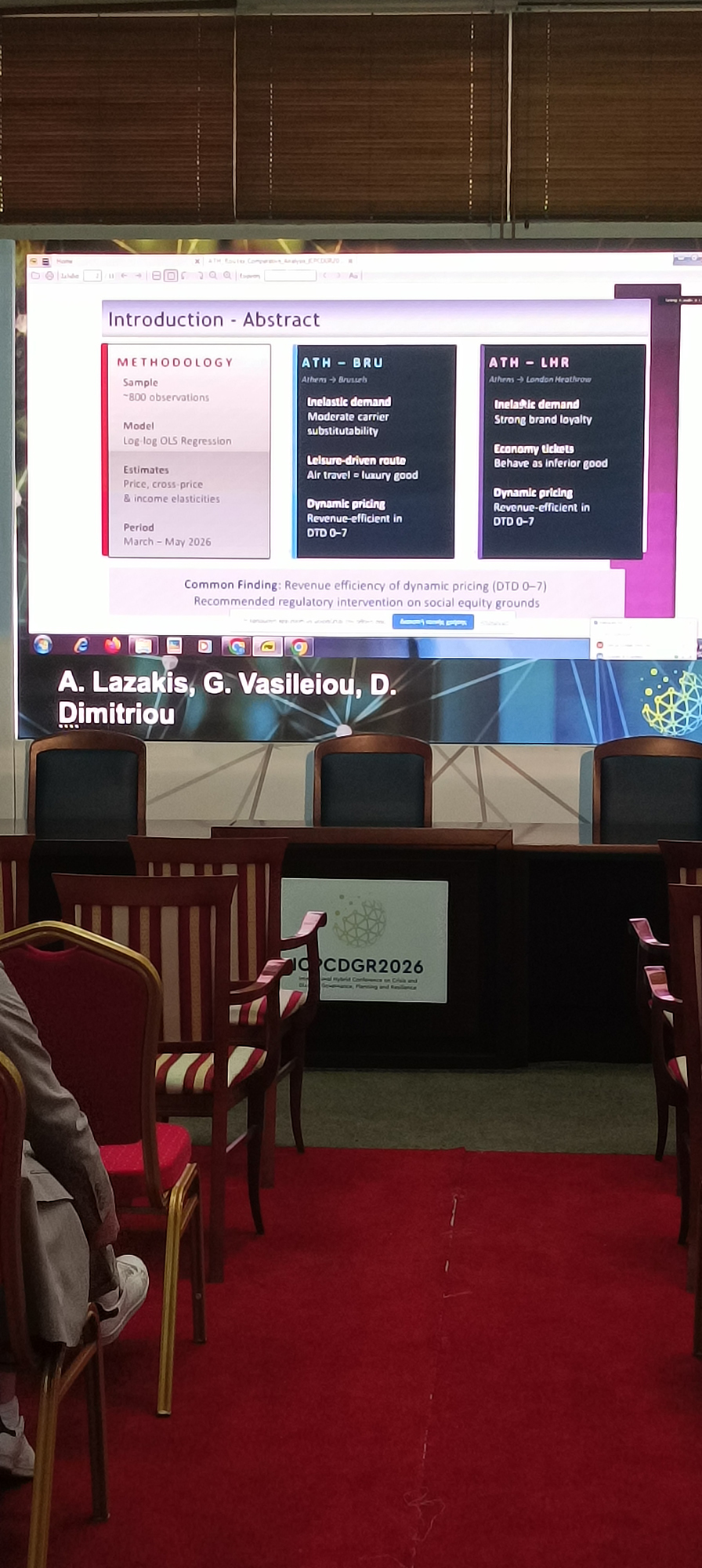
- Transports and mobility emergency planning
Culture, Memory & Disaster Recovery
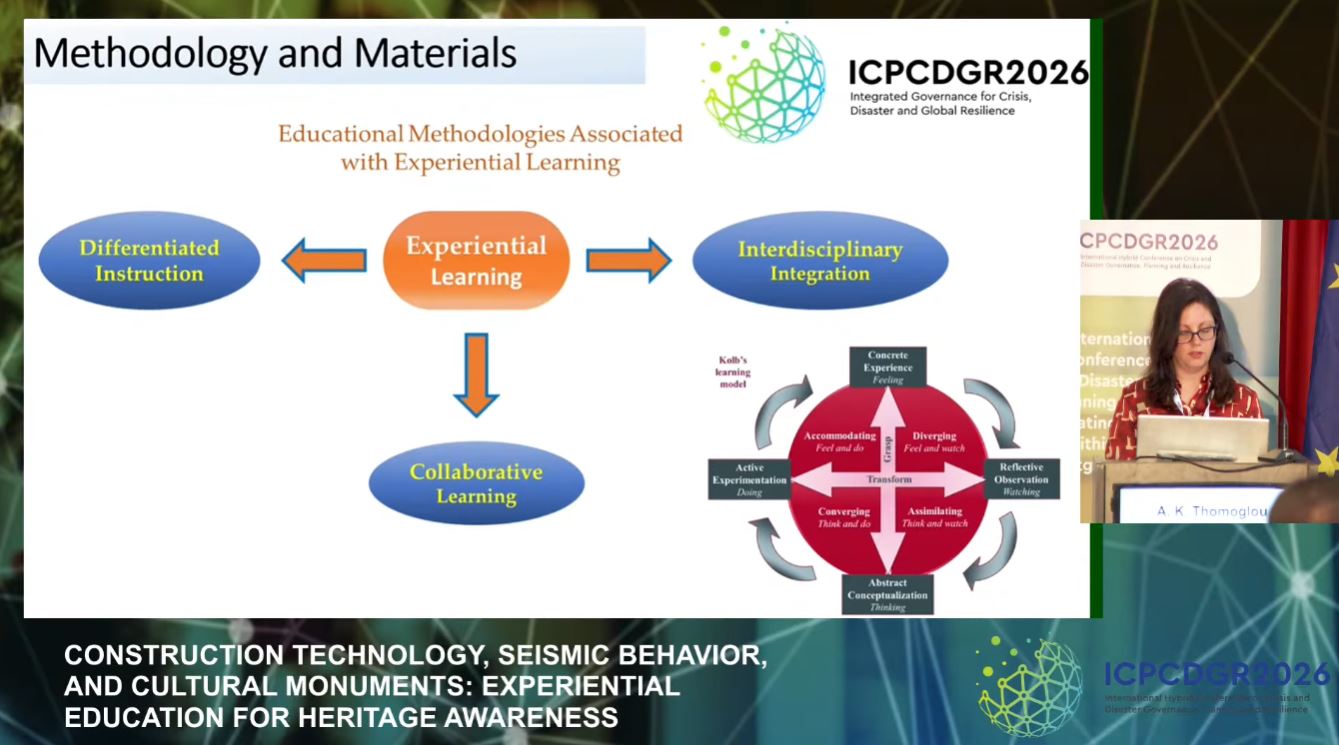
- Cultural Heritage Protection
- Post-Crisis Reconstruction
- Safeguarding Intangible Heritage
Displacement, Migration & Security
- Forced Migration Governance
- Border Crisis Management
- Civil Protection and Mobility
ESG, Strategic Risk & Resilience Governance
- Strategic ESG for Risk Managers
- Infrastructure Risk Compliance
- Social Inclusion in Crisis Planning
Participants are invited to contribute interdisciplinary insights that explore the interaction between security, governance, disaster management, resilience research, and technological innovation. ICPCDGR 2026 offers a global network environment where leading experts, policymakers, practitioners, and emerging scholars engage in structured dialogue, critically examine governance models, and shape forward-looking frameworks capable of responding to systemic, interconnected, and high-impact risks.
Publication Opportunities
Accepted abstracts will be included in the official conference program and published in a Book of Abstracts with an ISBN.
Authors will be invited to present their work during the conference and will receive a certificate of participation.
Those who wish to further develop their research may optionally submit a full paper after the conference. Selected high-quality manuscripts will be invited for submission to Special Issues in:
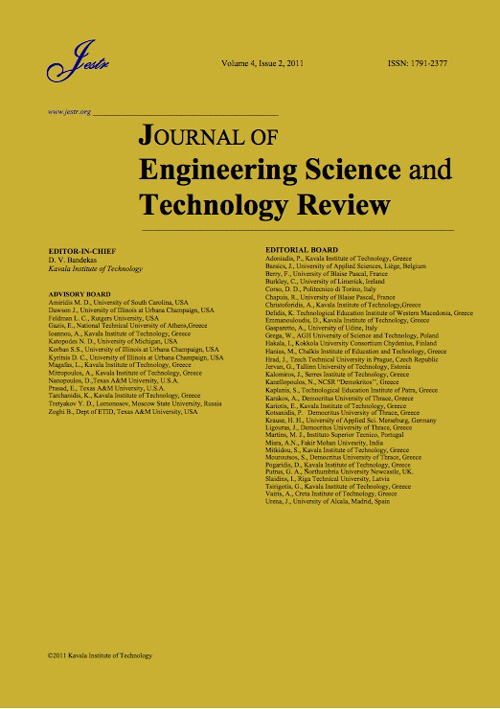
The Journal of Engineering Science and Technology Review (JESTR) under the theme “Disaster Governance, Risk Analytics and Resilience Systems”
(Deadline for manuscript submissions: 28 June 2026)
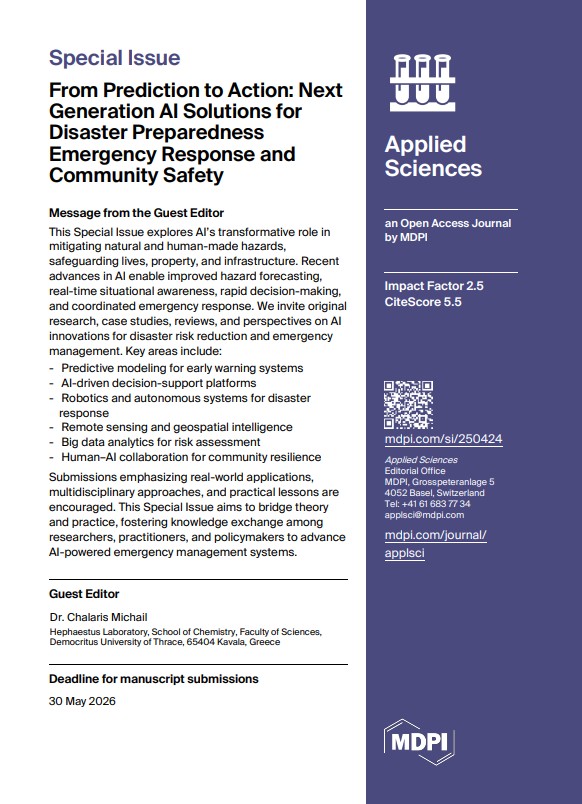
Applied Sciences (MDPI) under the Special Issue “From Prediction to Action: Next Generation AI Solutions for Disaster Preparedness, Emergency Response and Community Safety”.
(Deadline for manuscript submissions: 30 May 2026)
Full paper submission is entirely optional and is not a requirement for conference participation.
Authors are responsible for complying with the submission guidelines of their selected journal, and any applicable publication fees must be covered by the authors.
Additional Publication Opportunity
Selected high-quality manuscripts may also be considered for inclusion as book chapters in the forthcoming volume:
Risk Analysis: Assessment Methods, Decision Frameworks, and Safety Strategies
Published by Nova Science Publishers

This edited volume aims to bring together interdisciplinary contributions addressing modern approaches to risk assessment, decision-support methodologies, disaster risk management, safety engineering, and resilience strategies across technological, environmental, and societal domains. Relevant contributions presented at the conference may be invited for submission as book chapters.
Important Dates
- Chapter Due Date: July 20, 2026 (contributors will send the chapter’s abstract directly to the conference chair)
- Completed Manuscript Submission Date: October 31, 2026
Participation in this book project is optional and independent of conference participation. Authors are responsible for preparing manuscripts according to the publisher’s submission guidelines.
Important Dates
5 April 2026
8 April 2026
Why ICPCDGR 2026 Matters — and Why Attend
In a global environment defined by climate-driven extreme events, hybrid and asymmetric threats, cyber warfare and infrastructure vulnerability, pandemic aftershocks, energy transition pressures, and geopolitical instability, the need for integrated, forward-looking governance frameworks has never been more urgent. Contemporary strategic analysis, informed understanding of political, economic, social, technological, environmental, and legal dynamics, clearly demonstrates that higher education must evolve to integrate technological and social resilience, strengthen cross-sector coordination capabilities, cultivate leadership under conditions of uncertainty, and institutionalise adaptive governance models capable of responding to systemic and interconnected risks. ICPCDGR 2026 responds precisely to this strategic imperative by providing a high-level interdisciplinary platform where theory meets operational practice and academic insight informs policy development.
Participants will gain interdisciplinary insights across security, governance, disaster management, and resilience research, engage with leading international experts and emerging scholars within a truly global network, and contribute to strengthening postgraduate and professional education linkages worldwide. The conference offers meaningful policy impact by fostering dialogue around governance frameworks that shape national, regional, and international responses to complex crises.
ICPCDGR 2026 is where governance meets security, where education builds resilience, and where strategy shapes the future.